
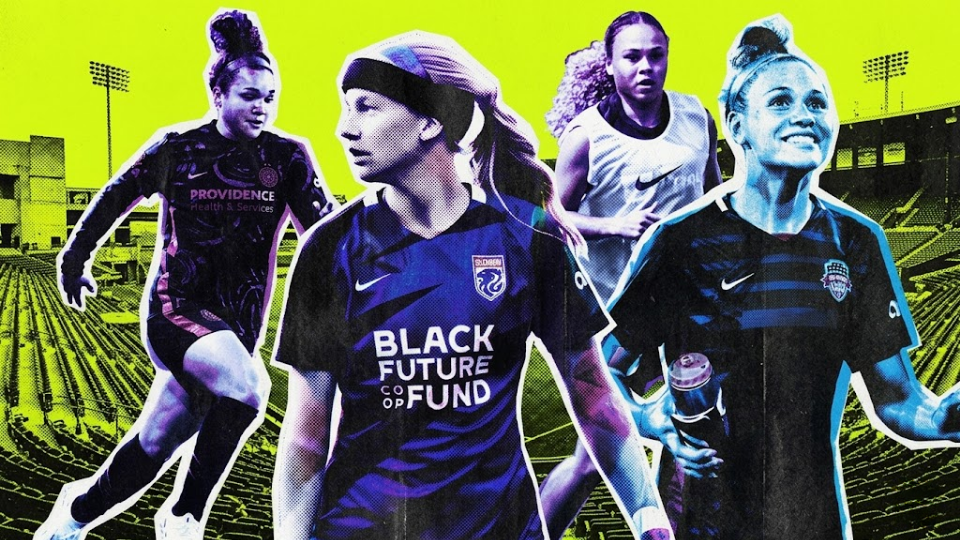
Over the past decade, women’s football has undergone a seismic shift from a marginalized sport played in empty stadiums to a billion-dollar industry commanding packed grounds and major sponsorship investments. What was once barely recognizable as a professional endeavor has transformed into a competitive market that is capturing imagination, capital, and commercial attention.
This report examines the decade of transformation through four critical lenses: the explosion in attendance and fan engagement, the dramatic rise in player compensation, the shift in ticket pricing strategy, and the unprecedented influx of sponsorship and commercial partnerships.
From Empty Stands to Overflowing Stadiums
A decade ago, women’s football matches were played in front of sparse, often indifferent crowds. Today, those empty stands are a distant memory. The numbers tell a story of unprecedented growth in fan engagement:
| Competition | 2019 Avg | 2024 Growth |
| WSL (England) | 3,000 | +100% |
| Liga F (Spain) | 5,000 | Barcelona 90,000+ |
The 2022 UEFA Women’s Euros was a turning point. With an 87,000-capacity Wembley crowd witnessing England’s victory, the tournament shattered perceptions about women’s football’s commercial viability. Post-tournament, the WSL witnessed a 168% attendance increase in 2022-23, followed by sustained 30% growth in 2023-24. Australia’s A-League recorded 284,551 total attendance in 2023-24, establishing a new women’s sports attendance record.
Part Two: The Ticket Pricing Paradox
Affordability as Competitive Advantage
While men’s football clubs have been relentlessly raising prices, women’s football has maintained a strikingly different approach. This strategic pricing has become a core part of the sport’s identity and accessibility proposition.
| Ticket Type | Typical Cost |
| Arsenal Women Season Ticket | 80-100 GBP per season |
| Arsenal Men Season Ticket | 600+ GBP per season |
| NWSL (USA) Base Price | 25-45 USD |
| A-League Women (AUS) | 15 AUD (vs 60-80 men) |
This pricing strategy has proven strategically brilliant. Lower ticket costs mean families can attend matches without financial strain, making women’s football a gateway to sports fandom for younger generations. Rising prices are inevitable as profitability improves, and may represent the sport’s greatest long-term risk to its inclusivity positioning.
Part Three: Player Salaries
From Survival to Sustainability
A decade ago, even for elite players, football was a second job. Training fit around office work. Matches paid just enough to supplement other income. Today, that reality has fundamentally shifted.
Elite-level salaries have increased 10-20 times over the past decade:
- Top players at elite clubs: 300,000-500,000 USD annually
- Superstars commanding seven-figure salaries
- Individual sponsorship deals reaching millions (Alex Morgan earned 6.3M USD off-field in 2022)
However, context matters. Top women’s players still earn only 5-15% of male counterparts. Barcelona Femeni squad wages total 5-7 million EUR annually, while Arsenal Men spend 8-10 times that amount. The gap persists, yet the trajectory is undeniable.
Most critically: salaries have reached levels where professional careers are possible. Women no longer need second jobs. This professionalization effect ripples through the entire ecosystem. Training quality improves. Talent retention increases. Competitive standards rise. Performance has measurably improved since players could focus entirely on football.
Part Four: Sponsorship and Commercial Transformation
From Afterthought to Strategic Asset
A decade ago, women’s football sponsorships were bundled with men’s operations. The women’s team was ancillary, a corporate social responsibility box to check. This dynamic has inverted entirely.
Key sponsorship metrics from 2024:
- Barclays Women’s Super League title sponsorship: 30 million GBP (2022-2025), doubled from previous contract
- 77% of global women’s leagues have title sponsors, compared to 11% in 2021
- FIFA Women’s World Cup 2023: 30 commercial partners, 150% increase from 2019
- Arsenal, Manchester City, and Chelsea securing independent women’s sponsorship deals
- Average NWSL team sponsorship deals approaching 935,000 USD in major markets
Global female athletes generated significant sponsorship revenue through individual deals. Major brands including Adidas, Nike, Puma, Mastercard, and Unilever actively expanded women’s football commitments. This represents a seismic shift from years when only token athletes received meaningful brand partnerships.
The unbundling effect is crucial: when clubs separate women’s and men’s sponsorship agreements, they can accurately measure women’s football’s commercial value, demonstrating to brands that female fan engagement represents genuine business opportunity. Mastercard’s Arsenal Women sponsorship and Joie’s Manchester City Women stadium naming rights signal that brands view women’s football not as CSR obligation but as strategic commercial platform.
Part Five: The Economic Picture
Women’s football now represents approximately 555 million USD of the 1.28 billion USD global women’s elite sports market in 2024, accounting for roughly 43% of all women’s professional sports revenue. This concentration reflects football’s status as the sport with most developed professional infrastructure.
However, a critical caveat: profitability remains elusive.
Analysis of top-tier European clubs reveals zero consistently profitable women’s operations. Wages exceed revenues. The average wages-to-revenue ratio stands at 106%, compared to 59% for men’s clubs. This unsustainability is driving urgency around monetization strategies and media rights negotiations.
The Next Decade
Women’s football has completed its transition from niche curiosity to serious commercial enterprise. The question moving forward is not whether the sport will grow. That is proven. But how it will mature. Will broadcasting deals finally deliver revenue matching attendance growth? Can clubs achieve profitability? Will player compensation gaps with men’s football narrow?
What is certain: The Athletic’s next decade covering women’s football will be dominated by economic stories: expansion announcements, franchise valuations, sponsorship megadeals, and the inevitable question of pricing power. The sport that once played in empty stadiums now fills them. The sport that compensated players with pittances now justifies six-figure salaries. Women’s football has arrived. Now comes the work of making it work economically.