
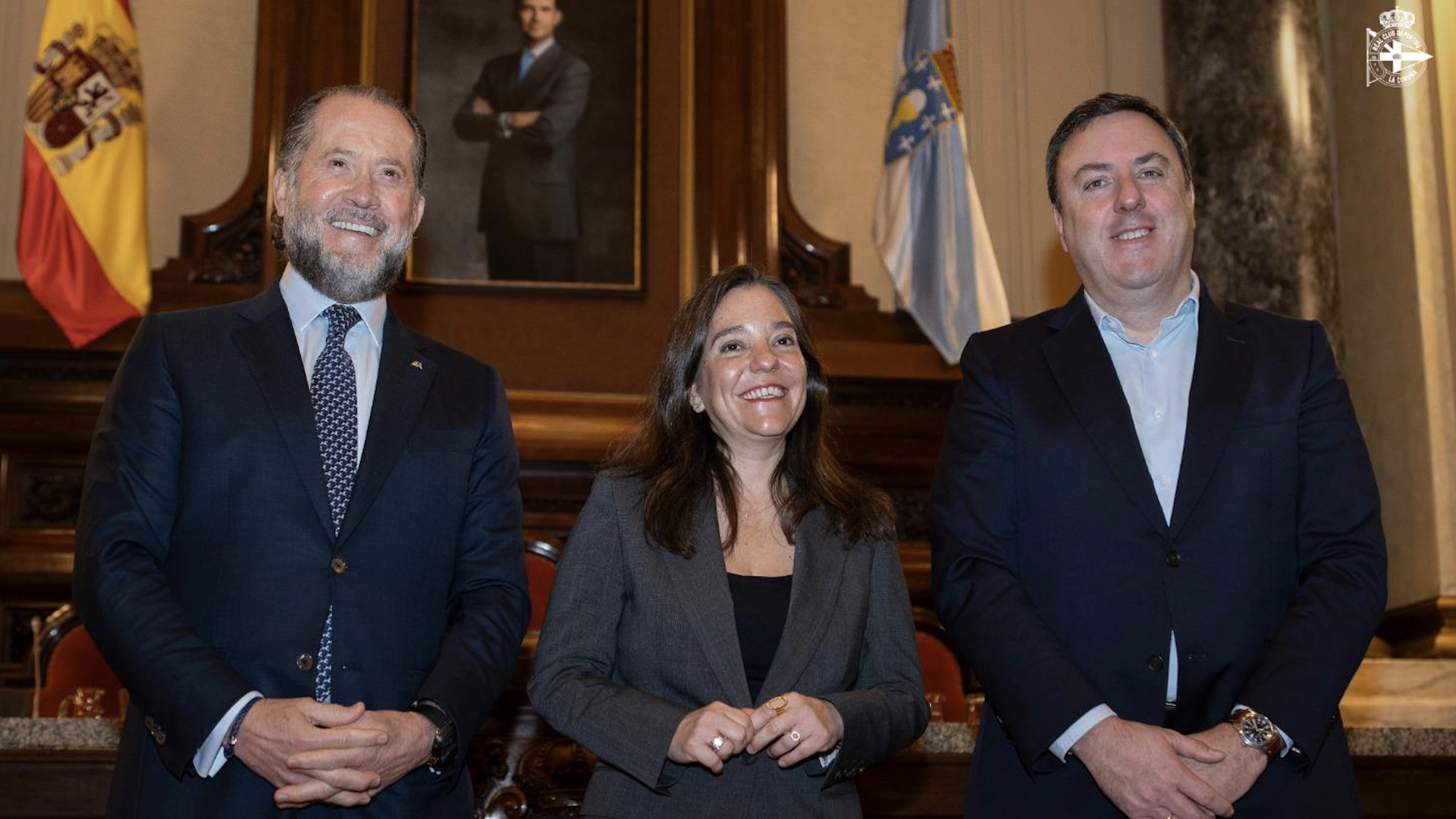
Deportivo de la Coruña and the A Coruña City Council have announced that Estadio Riazor will no longer be a candidate to host matches for the 2030 FIFA World Cup. Instead, both parties will focus on a comprehensive modernisation project for the stadium and surrounding sports infrastructure.
The Riazor complex includes the stadium, the Palacio de los Deportes arena, the Marathon Tower, and adjacent facilities. The provincial council will also collaborate on the project to enhance the sporting and social impact of the venue for A Coruña and the wider Galicia region.
Mayor Inés Ray said, “We made a responsible decision to withdraw our bid for the World Cup and concentrate on a project of our own for A Coruña.†Deportivo president Juan Carlos Escotet RodrÃguez added that the initiative aims to integrate the stadium and surrounding complex into city life year-round, creating sporting, social, and cultural value.
A Coruña joins Málaga in withdrawing from the 2030 World Cup host candidacy, citing renovation and infrastructure concerns. The withdrawal may open opportunities for other stadiums, such as Valencia’s Nou Mestalla, to be included in the tournament.
Selected stadiums in Spain for the 2030 World Cup now include Anoeta (San Sebastián), Camp Nou (Barcelona), Gran Canaria (Las Palmas), La Cartuja (Seville), Riyadh Air Metropolitano (Madrid), Nueva Romareda (Zaragoza), RCDE Stadium (Barcelona), San Mamés (Bilbao), and Santiago Bernabéu (Madrid).
Deportivo recently opened a new hybrid museum at Riazor, combining interactive exhibitions with match-day hospitality. The design was led by Populous, which also created the club’s new training complex unveiled in 2025. Estadio Riazor originally opened in 1944 and hosted three games during the 1982 World Cup.