
The missed opportunity to acquire the Portland Trail Blazers may still linger, but for Lisa Bhathal Merage, the future is already taking shape—firmly rooted in women’s sports.
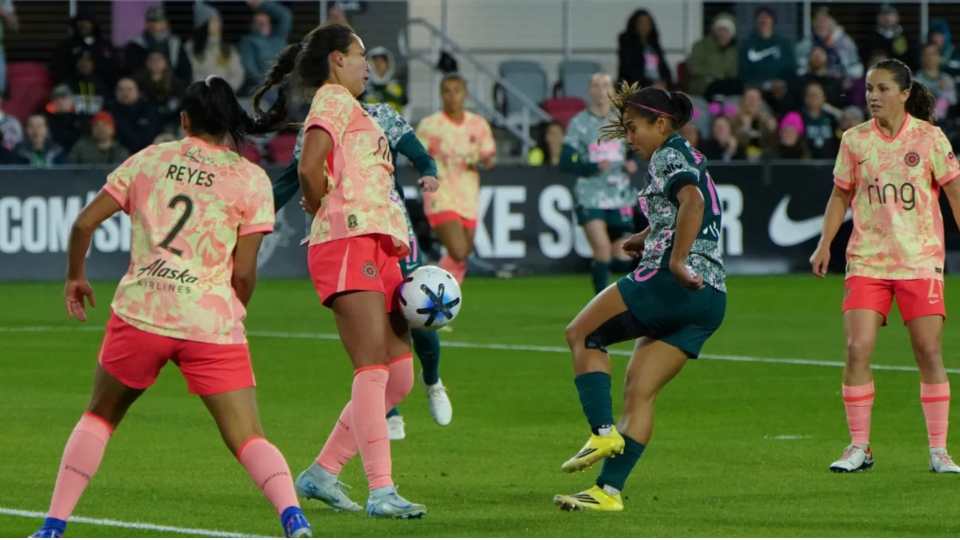
Through their investment firm RAJ Capital, Bhathal Merage and her brother Alex Bhathal have built a growing portfolio centered on two Portland-based franchises: the WNBA’s Fire and the NWSL’s Thorns. Their strategy signals a broader shift in sports ownership, where women’s leagues are no longer peripheral assets, but core growth plays.
The siblings are no strangers to major sports investments. They are also minority owners in the Sacramento Kings via Sacramento Basketball Holdings Group, which controls not only the NBA franchise but also the Golden 1 Center and the surrounding Downtown Commons development—an integrated sports and entertainment district that has significantly elevated the team’s valuation and local impact.
Their attempt to expand that footprint hit a roadblock last year, when they lost out on the Trail Blazers to Carolina Hurricanes owner Tom Dundon in a deal reportedly exceeding $4 billion. Despite briefly pursuing legal action tied to the bidding process, Bhathal Merage has since moved on.
Instead, the focus has shifted to scaling women’s sports—an area she believes is approaching a breakout moment similar to the NBA’s surge over the past decade.
“It’s not a moment, it’s the rise of women’s sports,†she said, emphasizing the structural growth across media rights, fan engagement, and infrastructure.
That vision is materializing in Portland through a $150 million dual-purpose training facility for the Fire and Thorns. The complex—expected to open later this year—will feature two full-sized soccer pitches and two basketball courts, making it one of the most advanced focused performance centers globally. Recently branded as the Kaiser Permanente Performance Center, it is poised to become a benchmark for integrated women’s sports infrastructure.
On the commercial side, early signals are strong. The Fire are already leading the WNBA in new season ticket sales, underlining Portland’s reputation as one of the most engaged fan markets in U.S. sports.
For Bhathal Merage, the investment thesis is both strategic and instinctive.
“Basketball in 2013 was where women’s sports are today—right at the tipping point,†she noted. “And when you see it, you have to move early.â€
With momentum building across leagues and increasing institutional backing, RAJ Capital’s Portland experiment could offer a blueprint for the next era of sports ownership—one where women’s teams are not just included, but prioritized.