
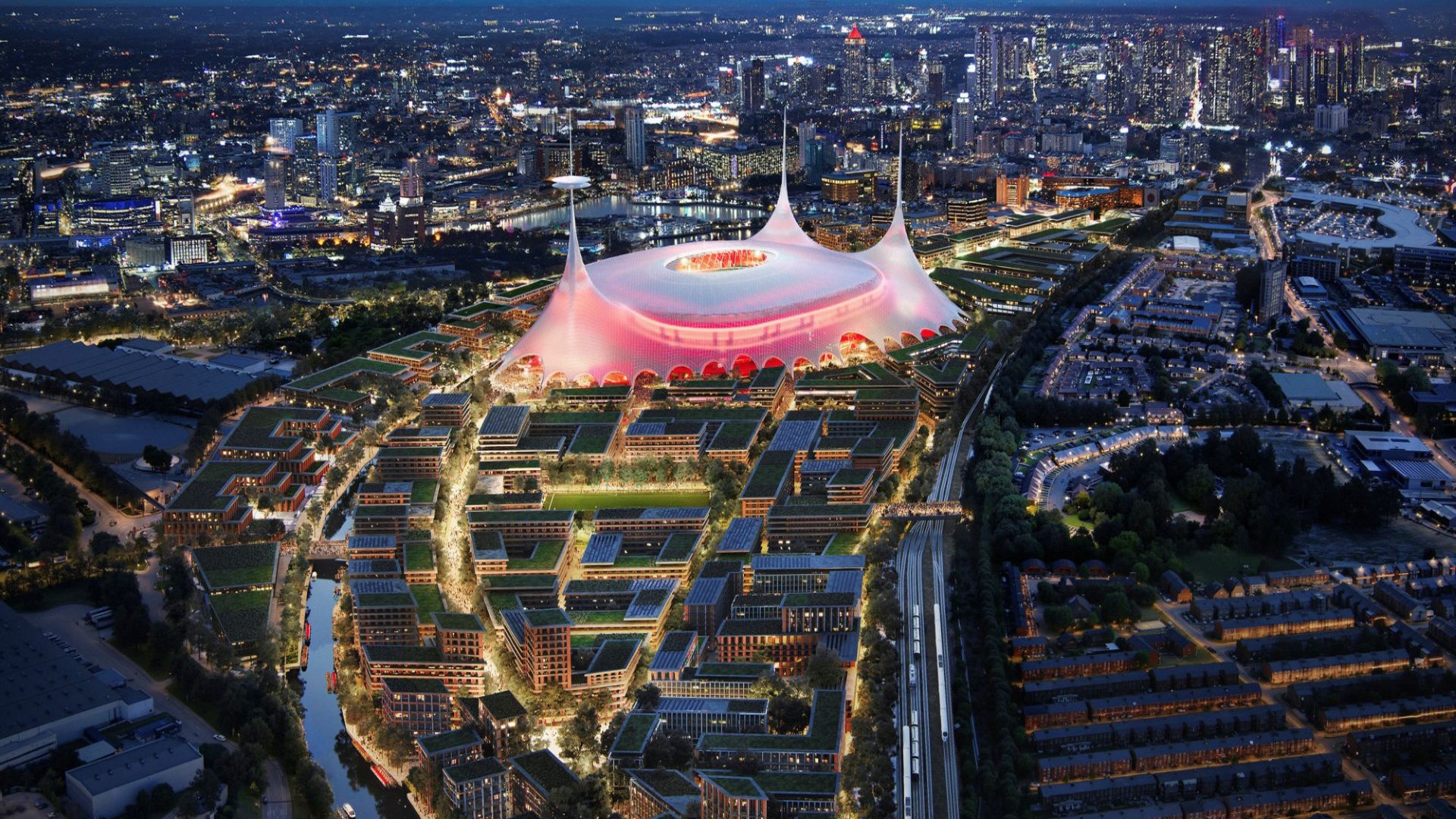
Manchester United are moving closer to a defining moment in their long-term infrastructure strategy, with plans for a new stadium entering a critical phase.
The club is targeting a planning submission within the next 12 to 18 months for its proposed 100,000-seat venue, a project expected to cost more than £2 billion and serve as the centrepiece of a wider regeneration of the Old Trafford area.
Collette Roche, leading the project, indicated that progress on land acquisition—one of the key obstacles—could soon reach resolution. United has been in discussions over a rail freight terminal site considered essential to the development, with valuation disagreements previously slowing momentum.
That impasse now appears closer to being settled.
Once land assembly is completed, the project will move into a detailed design phase expected to last around seven months. This stage will shape the final planning strategy, although groundwork on the broader masterplan is already underway.
The scale of the ambition extends far beyond football.
The redevelopment of the Old Trafford district is projected to deliver significant economic impact, with estimates suggesting an additional £7.3 billion annually for the UK economy. The plans include thousands of new homes, tens of thousands of jobs, and upgraded public infrastructure, positioning the project as one of the most transformative urban developments tied to a sports institution in Europe.
For Manchester United, the new stadium represents more than increased capacity—it is a statement of intent.
In an era where elite clubs are increasingly defined by their commercial ecosystems as much as their on-pitch performance, modern infrastructure has become a competitive necessity. United’s proposal reflects that shift, aligning with broader trends across global sport where venues are designed as year-round economic hubs rather than matchday-only assets.
If timelines hold, construction could take around five years once approvals are secured.
For now, the focus remains on clearing the final hurdles—because before the future of Old Trafford can be built, it first needs to be approved.