
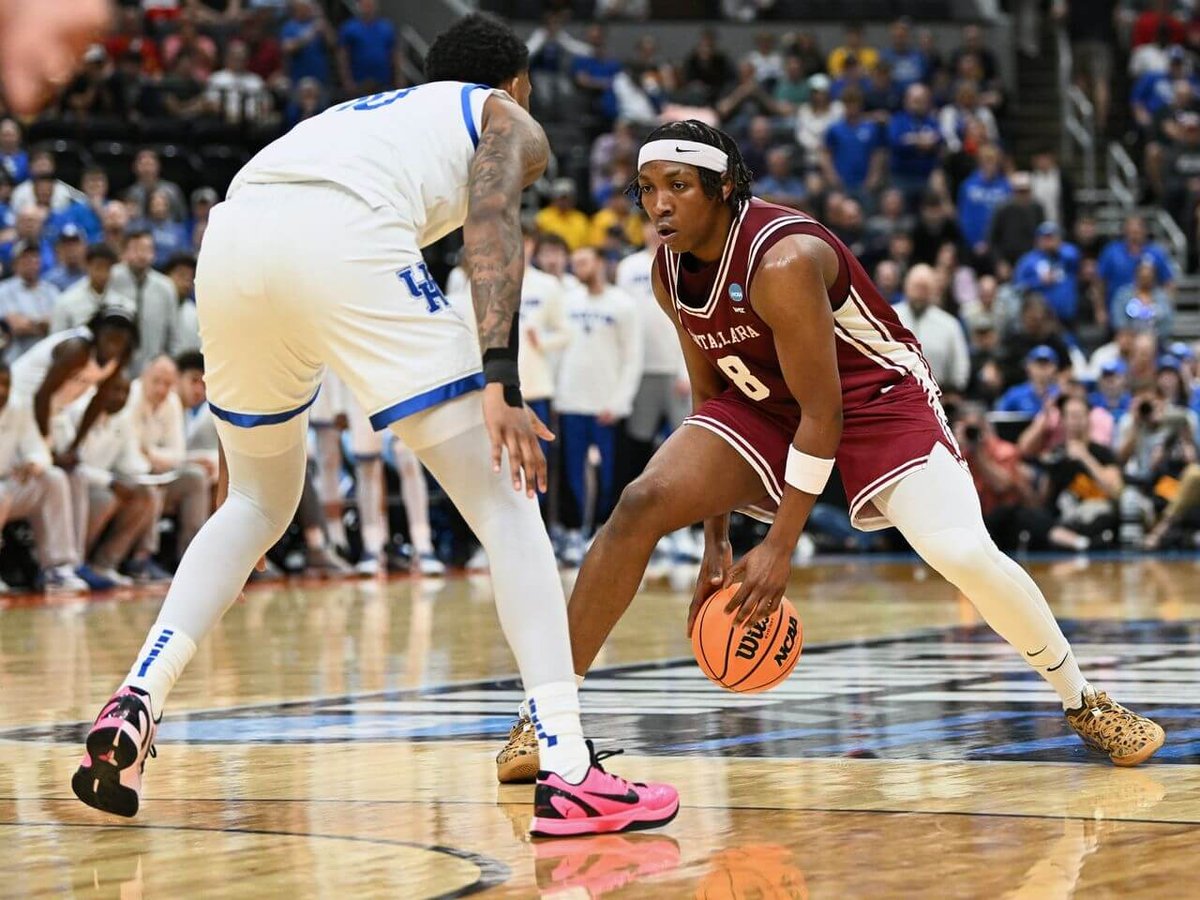
College basketball teams competing in the NCAA’s March Madness tournament are facing strict restrictions that prevent them from posting in-game highlight videos on social media—forcing programs to get creative with how they engage fans.
During this year’s tournament, teams such as Nebraska and Virginia have been unable to share traditional highlight reels. Instead, they’ve turned to GIFs, memes, screenshots, and even humorous “notes app†graphics to communicate with fans.
The reason lies in the NCAA’s licensing and media rights policies. The organization, in partnership with broadcasters like TNT Sports, controls the distribution of in-game footage. As a result, schools must either comply with strict posting limits or pay additional fees—reportedly around $5,000 per tournament—to gain broader rights to share highlights.
Under the current rules:
- Teams cannot post in-game video clips on platforms like X (Twitter), TikTok, or Snapchat
- Limited video sharing is allowed on Instagram and Facebook under strict conditions
- Posts must avoid real-time game coverage and follow time and length restrictions
These limitations have drawn criticism from athletic departments, who argue that teams are being restricted from sharing content about their own games.
To work around the rules, many schools are:
- Reposting official highlight clips from NCAA or broadcast partners
- Using creative graphics, memes, and text-based updates
- Posting after games end within allowed time limits
The policy also highlights a broader trend in sports media: the increasing control over digital rights and the growing value of highlight content in the modern sports economy.
Despite the restrictions, teams continue to find inventive ways to keep fans engaged—proving that even without video, creativity remains a powerful tool in sports storytelling.