
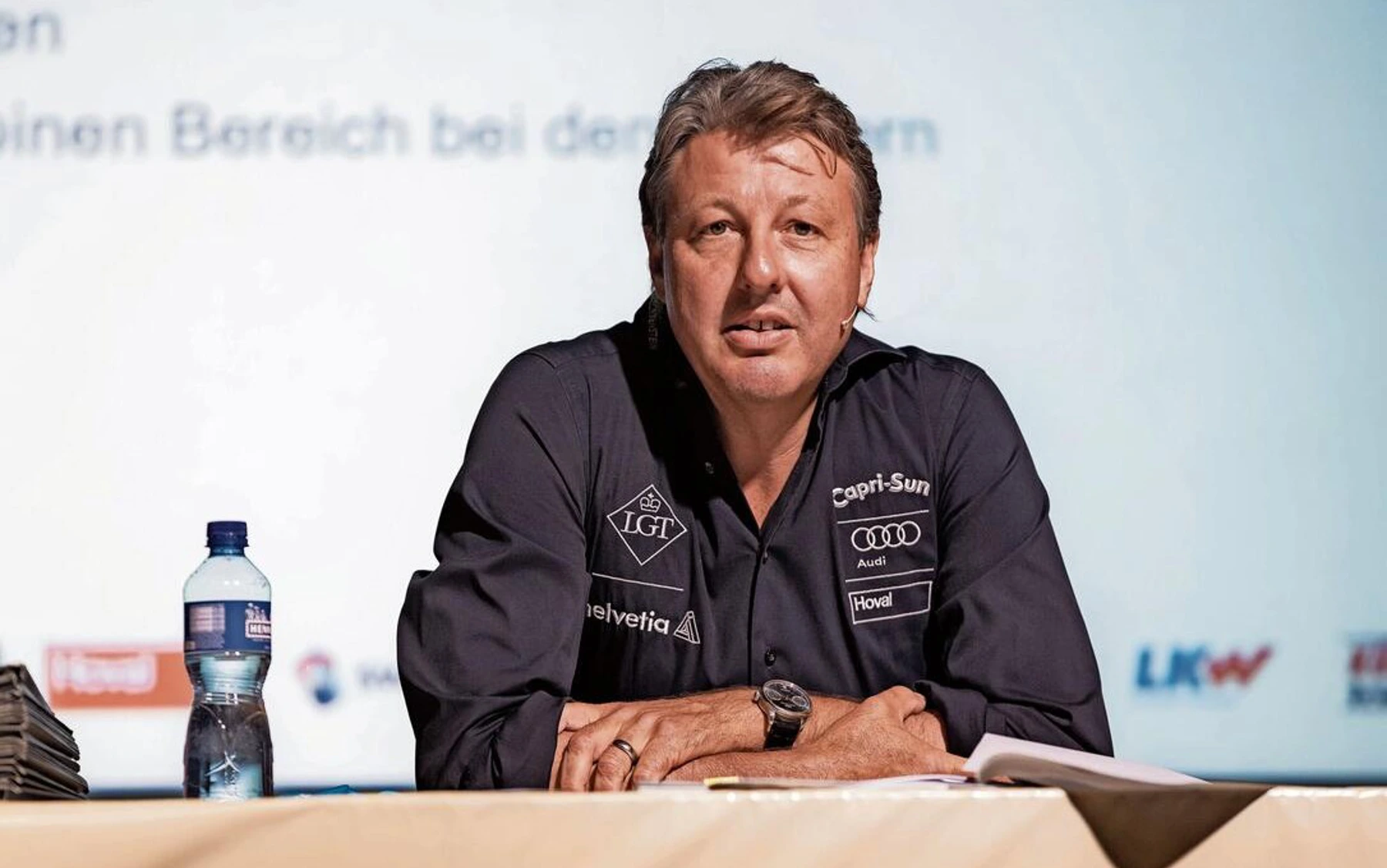
The International Ski and Snowboard Federation (FIS) has elected Liechtenstein’s Alexander Ospelt as its new president following one of the closest elections in the organization’s history.
At the 2026 FIS Congress in Belgrade, Ospelt secured 65 votes from national ski associations, narrowly defeating incumbent president Johan Eliasch, who received 64 votes.
The result brings an end to Eliasch’s controversial tenure at the helm of international skiing and snowboarding. Just days before the election, FIS Chief Executive Urs Lehmann resigned amid reports of growing tensions with Eliasch over governance and financial matters.
Eliasch was first elected to a shortened one-year term in 2021 before securing a full four-year mandate in 2022. However, that election was later challenged at the Court of Arbitration for Sport after several national federations raised concerns over the voting process.
A lawyer by profession and a long-serving member of the FIS Council, Ospelt campaigned on promises of greater transparency, stronger governance, and improved cooperation with national ski associations.
Following his victory, Ospelt acknowledged divisions within the federation but described them as an opportunity for progress.
“There’s been some great dialogue in the build-up to this congress, but the result shows we’re still divided,” Ospelt said. “I see this division as a chance rather than a problem. My first task will be bringing unity and a common ambition to drive FIS forward together.”
He added that every national ski association should feel valued equally and assured members that their concerns would be taken seriously under his leadership.
The leadership change comes at an important time for FIS, which recently strengthened its commercial portfolio by extending its partnership with German automaker Audi through 2030. Under the renewed agreement, Audi will remain title sponsor of the FIS Alpine World Cup and a partner of the Alpine World Ski Championships throughout the current Olympic cycle.
Ospelt now takes charge of the governing body as it seeks to unite its member federations and build momentum ahead of the next phase of international winter sports development.