
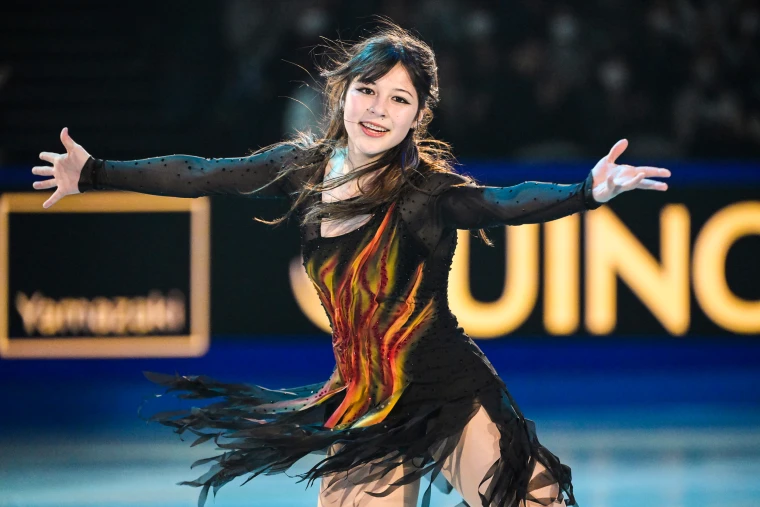
American figure skating sensation Alysa Liu has not only captured Olympic gold but has also single-handedly ignited a massive disco revival. Following her historic free skate performance at the 2026 Milan-Cortina Winter Olympics, streams of Donna Summer’s 1978 hit “MacArthur Park” have skyrocketed, marking a significant moment in the intersection of sports and the music industry.
The “Liu Effect” in Numbers
According to data from Luminate, the surge in listener interest was instantaneous:
- Streaming Spike: On-demand streams of Summer’s disco classic jumped 505% across all major platforms.
- Daily Volume: Streams averaged roughly 12,000 per day prior to the event, leaping to 115,000 on Friday and 139,000 on Saturday following the performance.
- Social Growth: Liu herself became the breakout star of the Games, gaining more than 3.5 million new Instagram followers in just three weeks.
Songwriter Jimmy Webb, who penned the original track in 1967, praised the 20-year-old skater, stating that Liu’s “energy and youth breathes yet another life” into the song.
A Masterclass in Storytelling
Liu’s path to gold was unconventional. After retiring at age 16 due to burnout, she returned to the ice simply “for the fun of it.” Her choice of “MacArthur Park” was actually a pivot; after testing a Lady Gaga program earlier in the season to mixed results, she reverted to the Summer track—initially choreographed for the 2025 World Championships—adding new flourishes including a viral knee-spin.
“I want to be a storyteller of sorts,” Liu remarked in Milan. “I wasn’t driven by medals but instead the opportunity to create and share choreographed routines I loved.”
The New Landscape of Music Licensing
The commercial success of Liu’s music choice comes at a time of heightened scrutiny regarding music rights in figure skating.
- Regulatory Shift: Following a landmark lawsuit from the 2022 Beijing Games over unlicensed music, officials in Milan have placed a premium on clearance.
- Future Partnerships: U.S. Figure Skating and agencies like CAA are now exploring formal partnerships with music labels to turn skating programs into “shared storytelling” opportunities and revenue streams for artists.