
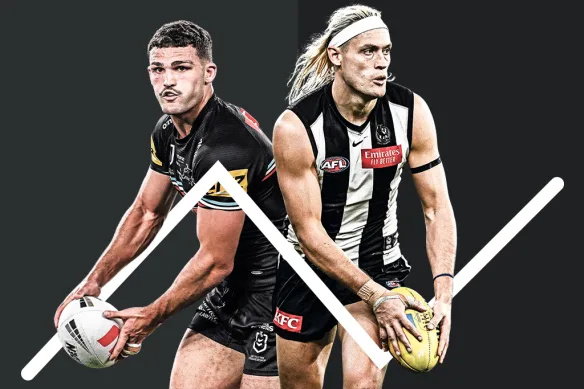
Australia’s major sporting competitions, including the NRL and AFL, are assessing the potential financial impact of sweeping gambling advertising reforms proposed by Prime Minister Anthony Albanese.
The measures would introduce stricter limits on betting-related advertising, including a cap of three television ads per hour between 6am and 8:30pm, alongside a full blackout during live sports broadcasts in that window. Sponsorship visibility would also be affected, with proposed bans on gambling branding on team jerseys and within stadiums.
These changes could significantly reshape commercial models across both leagues, which have longstanding partnerships with betting operators. Deals with major brands such as Sportsbet and TAB have formed a consistent revenue stream for clubs and competitions, with some agreements reportedly valued in the tens of millions annually.
Several clubs in the NRL currently feature betting sponsors on playing kits, while AFL teams maintain commercial partnerships with wagering companies, even where branding is less visible on uniforms. Restrictions on in-stadium advertising and broadcast exposure are expected to have the broadest commercial impact.
The reforms arrive at a critical time for media rights negotiations. The NRL is targeting a new broadcast agreement worth up to $4 billion over five years, aiming to surpass the AFL’s existing $4.5 billion deal signed in 2022. Analysts suggest that reduced advertising inventory linked to gambling could influence how much broadcasters are willing to pay.
Industry perspectives remain divided. Some executives argue that reduced commercial income may tighten budgets and affect rights valuations. Others maintain that live sport retains intrinsic value for broadcasters and streaming platforms, regardless of advertising shifts.
The proposed framework stops short of a full ban on gambling advertising but signals a shift toward tighter regulation, reflecting broader concerns around consumer protection and public health.
Comparisons have been drawn internationally. The Premier League has already moved to phase out gambling sponsorships on matchday shirts, while the United States has seen rapid growth in betting-related marketing following legalization in 2018.
For Australian sport, the outcome may hinge on how effectively leagues and clubs diversify revenue streams in response to a potentially less betting-driven commercial landscape.