
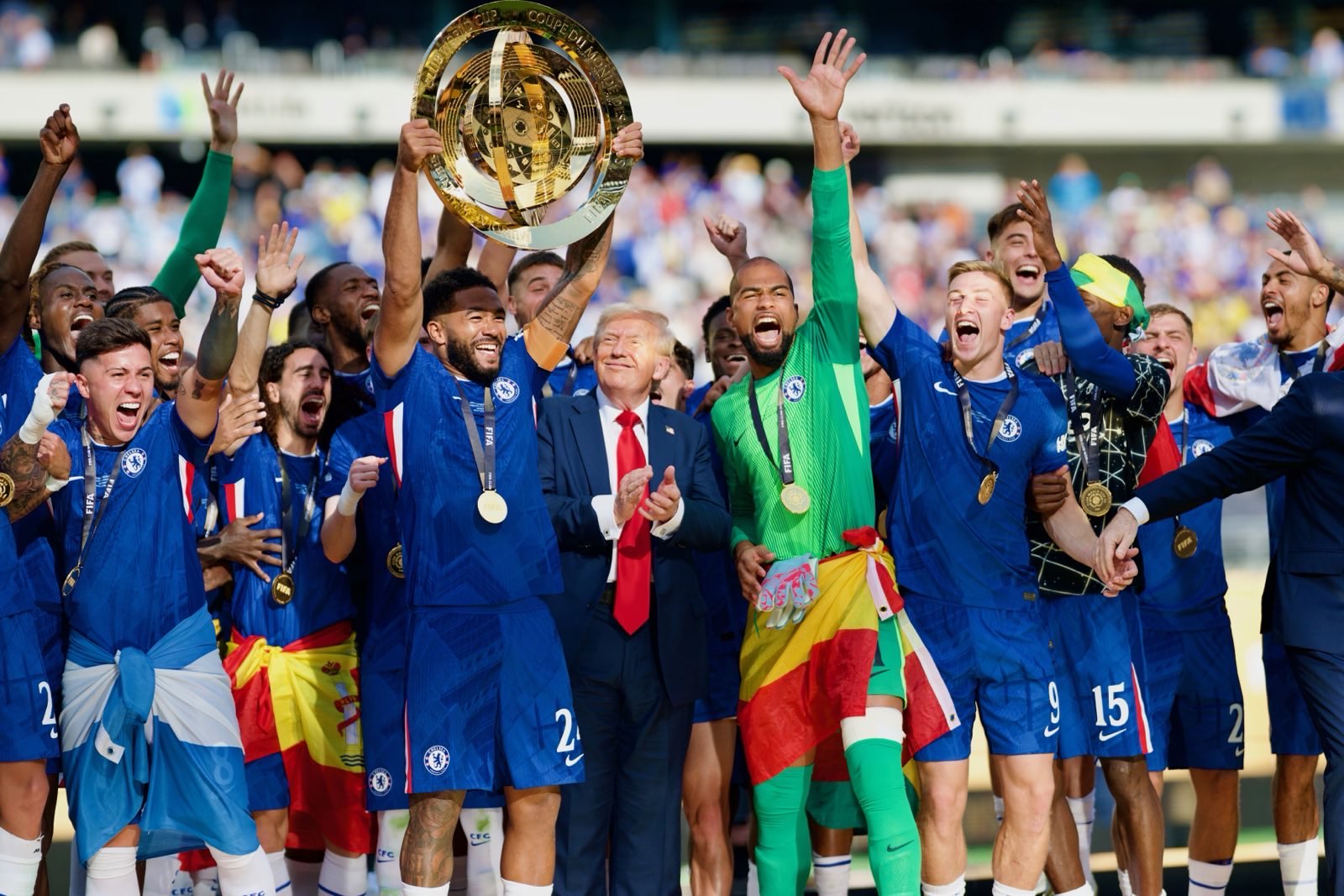
In a significant shift for the global football landscape, UEFA appears ready to back FIFA’s ambitious plan to expand the Club World Cup to 48 teams for its next edition in 2029.
This breakthrough, reported on February 20, 2026, marks a cooling of tensions between FIFA President Gianni Infantino and UEFA President Aleksander ÄŒeferin. Previously, UEFA had blocked expansion efforts, fearing that a massive summer tournament would overshadow the Champions League and push the player calendar beyond its breaking point.
The Trade-Off: Quadrennial vs. Biennial
The primary reason for UEFA’s change of heart is a strategic compromise. In exchange for greenlighting the 48-team format, UEFA has reportedly secured assurances that the tournament will remain a quadrennial event (every four years).
- The “Real Madrid” Proposal: Real Madrid had previously lobbied for a biennial (every two years) competition.
- The “Lesser Evil”: UEFA viewed a massive 48-team tournament every four years as more sustainable than a 32-team tournament every two years, which would have severely disrupted European domestic and continental cycles.
Why the Expansion?
The drive to increase the field from 32 to 48 teams is largely commercial and political. FIFA aims to ensure that “heavy hitters” who failed to qualify for the 2025 edition—such as Barcelona, Liverpool, and Manchester United—have a much higher probability of participating.
- European Slots: UEFA’s representation is expected to rise from 12 to 16 clubs in 2029.
- Global Reach: Africa and South America are also expected to see significant slot increases, making the event more inclusive of global powerhouses outside of Europe.
Concerns: Player Welfare and Legal Hurdles
Despite the political alignment, the expansion faces fierce criticism from other sectors:
- Injury Crisis: Following the 2025 edition, clubs reported a “worrying spike” in soft-tissue injuries due to the lack of recovery time between the summer tournament and the start of domestic seasons.
- Legal Action: The European Leagues group is currently challenging FIFA’s control over the international match calendar in the European Commission, arguing that the expansion was decided without proper consultation of the leagues that pay the players’ wages.