
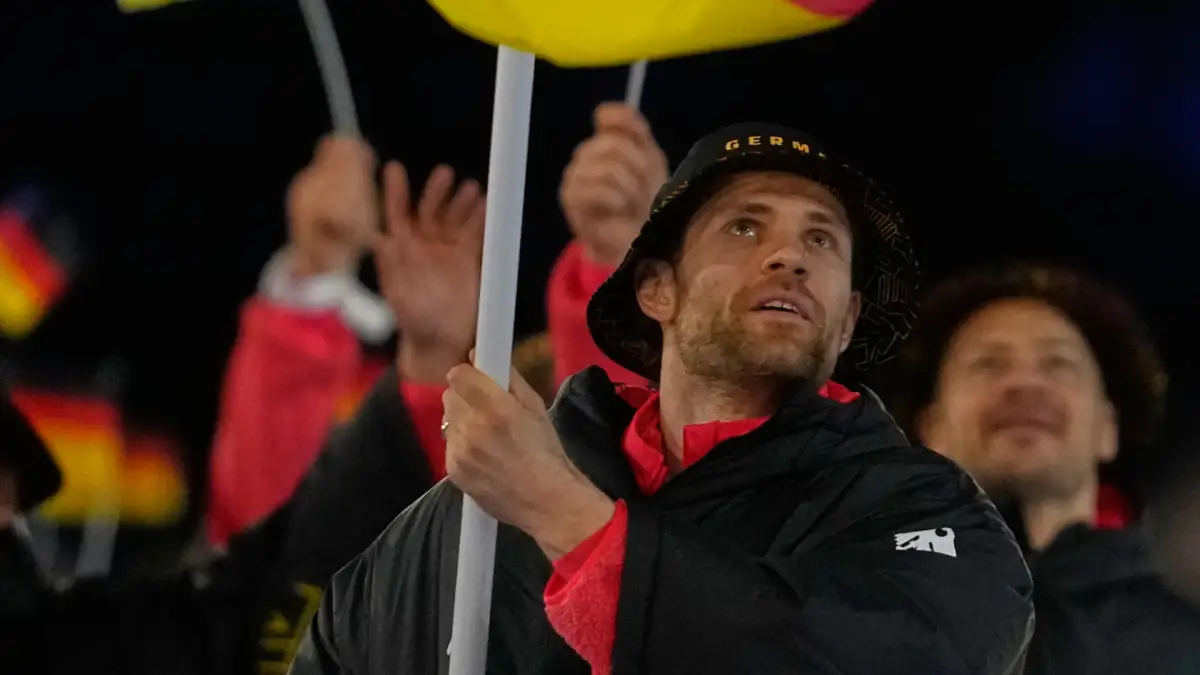
Germany is building momentum in its push to host a future edition of the Olympic Games, with growing public support across multiple cities strengthening the country’s candidacy more than 50 years after it last staged the event.
Recent referendums and surveys point to increasing backing, particularly in Cologne, where a positive local vote could shape the city’s role in a unified national bid. However, infrastructure gaps — including transport limitations and delayed projects — remain a critical hurdle.
Across regions, public support is largely driven by expectations of increased global visibility, tourism growth, and long-term urban development. For North Rhine-Westphalia, the Cologne vote represents an early step in a broader selection process involving 17 municipalities.
Among domestic contenders, Munich has set a benchmark with 66.4% voter approval, while Berlin and Hamburg remain in the mix.
Any final German bid would still need to pass evaluation by the International Olympic Committee, where competition is intensifying. Potential bids for 2036 include Doha, Istanbul, Ahmedabad, and emerging proposals from Egypt, China, and South Korea.
Looking further ahead, the race for 2040 and beyond is already forming, with possible bids from London, Madrid, and a multi-city proposal in South Africa.
Former IOC president Thomas Bach has emphasized the importance of expanding geographic diversity in Olympic hosting, signaling a broader shift in how future Games may be awarded.
For Germany, the challenge now is clear: convert rising public support into a unified, competitive bid in an increasingly crowded global race.