
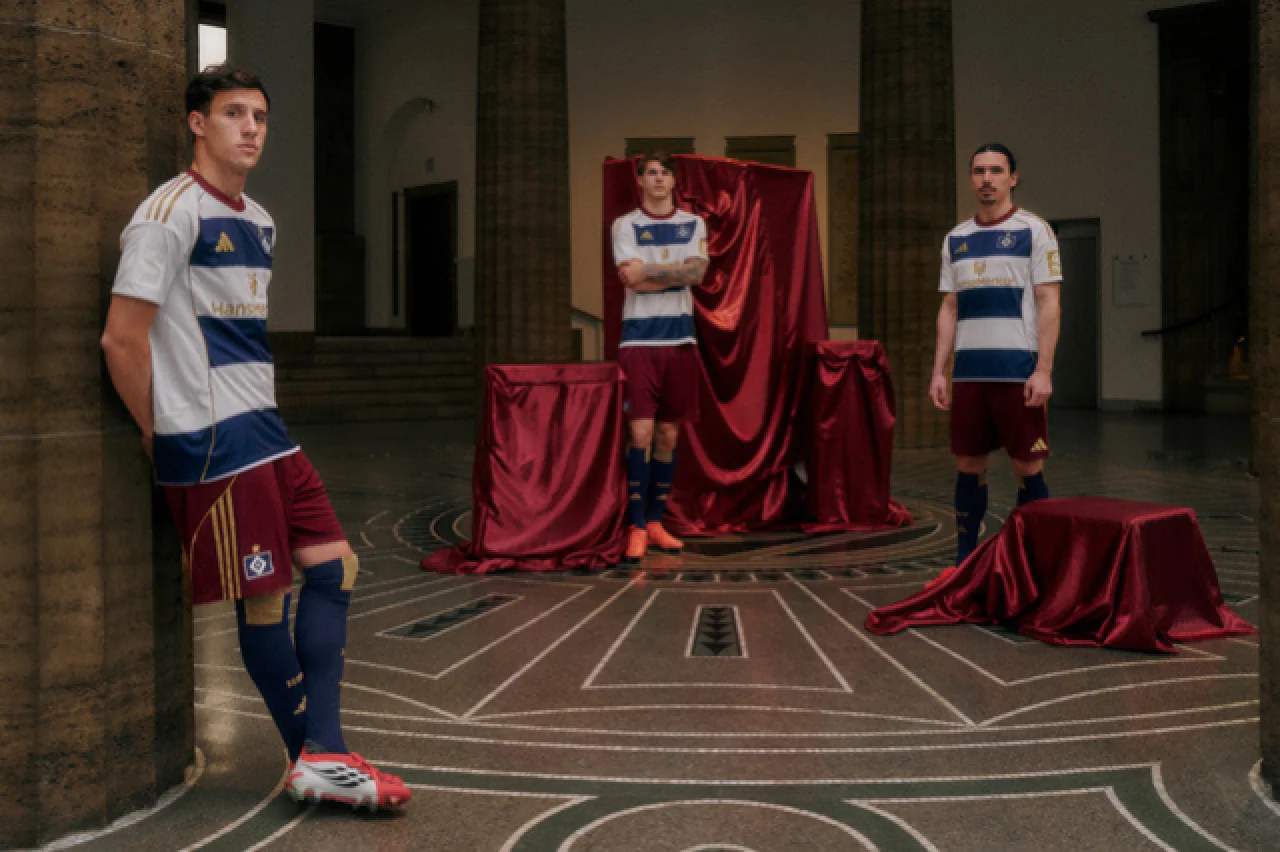
Hamburger SV just did something that most sports franchises dream about but can never quite achieve: they created a product so desirable that 70,000 people bought it in a matter of days.
Not weeks. Days.
And the real story behind these numbers reveals something fascinating about how sports fandom works in the modern era—and why some brands can tap into collective emotion in ways that generate insane revenue.
The Numbers That Tell the Real Story
Let’s start with the jaw-dropping baseline: HSV sold 70,000 special edition jerseys in what amounts to their first week of availability.
To put that in context, here’s what a typical year looks like for HSV jersey sales:
- 2024/25 season: 90,000 total jerseys sold across the entire year
- 2023/24 season: 70,000 total jerseys sold across the entire year
- This special edition: 70,000 sold in days
In other words, a single limited-edition jersey just matched or exceeded an entire season’s worth of sales velocity.
First 48 hours? 20,000 sold in retail stores and online.
Then the club restocked. Sold out again within days.
Why This Matters More Than Just Money
This isn’t just about merch revenue (though it’s definitely about that too).
This is about cultural resonance. When a sports team can convert 70,000 fans into paying customers in 48 hours, they’ve tapped into something deeper than normal consumer behavior.
HSV was marking their 1,887th Bundesliga match—a milestone that most clubs can’t even imagine reaching. The special edition jersey commemorated this achievement.
For Hamburg fans, this wasn’t just buying a shirt. This was buying a piece of history. This was saying “I was here for this moment.” This was a tangible connection to the club’s legacy.
And the numbers prove the emotional resonance worked.
The Personalization Angle That Changed Everything
Here’s a detail that separates this from a standard jersey drop: 90% of orders included custom personalization.
Let that sink in: Nine out of ten buyers didn’t just want the shirt—they wanted their name on it.
Even more telling: 50% of those personalized orders chose the special “1,887 Bundesliga matches” design marking, making the shirt even more unique and tied to this specific moment.
This is the opposite of a mass-market product. This is a highly individualized, nostalgic, milestone-driven piece of sports memorabilia that also happens to be wearable apparel.
When someone orders a jersey with their name and “1,887 Bundesliga matches” stitched on it, they’re not just buying merchandise. They’re investing in a memory.
The Supply Chain Chaos That Proves Demand Was Real
The club initially released 20,000 shirts. Sold out in 48 hours.
Then they released more stock. Sold out within days.
By the time they stopped accepting orders (presumably), they’d hit 70,000 units.
Now here’s the part that shows this was a real phenomenon and not a coordinated marketing stunt: The club is asking for patience. Production hasn’t even started yet. Customers are looking at a four-month delivery window (June-July).
Hamburg is essentially asking 70,000 fans to wait six months for a product. And those fans are saying yes.
In an era of two-day Amazon shipping and immediate gratification, 70,000 people agreed to wait until summer to receive a jersey. That’s genuine demand, not hype.
The Comparison That Shows How Rare This Is
Here’s what makes this even more remarkable:
The special edition jersey already matched an entire season’s worth of typical HSV jersey sales (70,000 units) before it was even fully produced.
But the kicker: This special edition is outselling standard seasonal jerseys despite being limited edition and commemorative, not functional or required for current-season support.
In a normal year, HSV sells:
- Regular seasonal jerseys
- Promotional merchandise
- Home/Away kits
- Training gear
This special 1,887 match edition beat all of them combined in pure velocity.
That’s not normal. That’s viral.
The Economics of Nostalgia in Modern Sports
Why did this work so spectacularly? Several factors:
The Milestone Factor: 1,887 Bundesliga matches is a genuinely impressive achievement. It’s a number worth celebrating. It’s a moment in history for the club.
The Personalization Factor: Fans didn’t buy a generic shirt—they bought their shirt with their name. That’s premium pricing justified.
The Limited-Edition Factor: Scarcity drives urgency. Once you know only 20,000 are available initially, and they might sell out, you buy immediately.
The Nostalgia Factor: German football fans have deep emotional connections to their clubs. HSV’s history in the Bundesliga matters to Hamburg’s identity.
Combine all of these, and you create a perfect storm of demand.
What Other Sports Franchises Are Learning (Or Should Be)
This is a masterclass in sports merchandising that most American teams could learn from.
In the US, most jersey sales are driven by player popularity (LeBron, Mahomes, Burrow, etc.). When a player leaves, demand dies. When a player gets injured, demand disappears.
HSV’s approach was different: they tied the jersey to the franchise itself—specifically, to a historical milestone that every fan can appreciate regardless of which player they support.
The result? They created demand that transcends individual player fandom. They created collectibility. They created history.
An 11-year-old HSV fan and a 70-year-old season ticket holder both wanted this jersey for the same reason: it represented something bigger than any single person.
The Four-Month Wait Is Actually Strategic
Think about the delivery timeline: June-July.
By the time these jerseys arrive, it will be summer. Off-season. Time for fans to wear casual club apparel. Time to display loyalty during the break before next season starts.
HSV didn’t create a supply chain problem—they created a marketing timeline. When 70,000 jerseys arrive in fans’ hands in June, they’ll be worn all summer, everywhere in Hamburg and beyond. It’s four months of free marketing, as fans parade around in this milestone jersey.
Compare that to a jersey that ships in two weeks. It arrives, it’s worn briefly, it becomes background noise.
The delayed delivery actually maximizes the cultural impact.
The Revenue Story Nobody’s Talking About
A single special-edition Bundesliga jersey retails somewhere in the €80-120 range (roughly $85-130).
Let’s assume average price of €100 per shirt.
70,000 shirts × €100 = €7 million in revenue.
From merchandise alone.
Before any personalization premium (which likely added €10-20 per shirt, bringing the actual total higher).
That’s roughly $7.5 million in pure merchandise revenue from a single product drop.
For context, most NFL teams struggle to generate that much in annual merchandise revenue. HSV did it in a week with a commemorative jersey.
The Bigger Picture Why This Matters
HSV just reminded the sports world of something that gets lost in the noise of mega-contracts and sponsorship deals:
Emotional connection still sells.
In an age where everything is about maximizing engagement and data optimization, HSV proved that tapping into genuine history and collective identity can generate insane revenue faster than any influencer campaign or celebrity endorsement.
They didn’t hire a celebrity. They didn’t create artificial hype. They simply marked a historic moment and let their fans decide whether it mattered.
It mattered.