
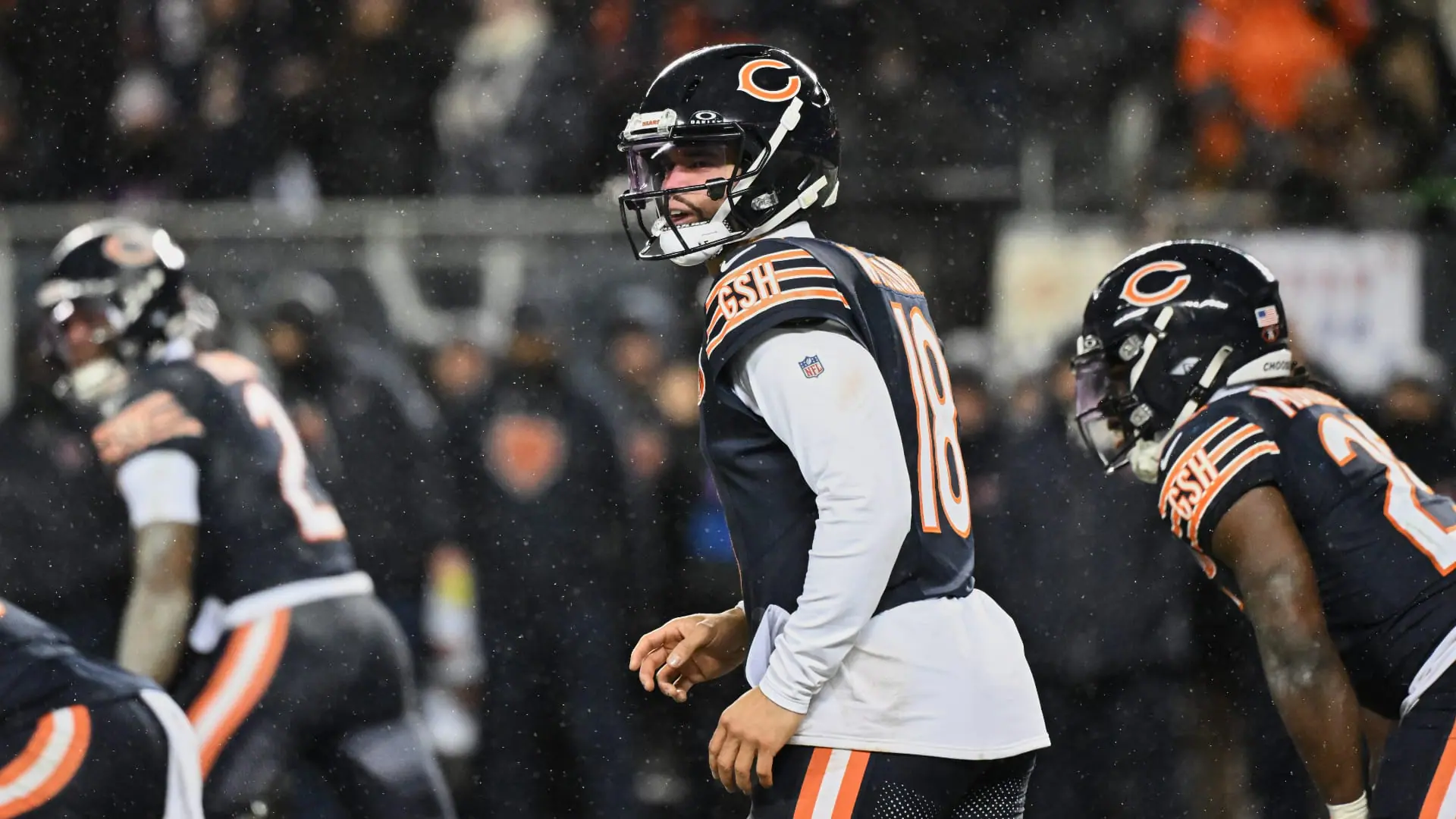
The battle for the future of the Chicago Bears has crossed state lines. As negotiations with Illinois remain deadlocked, the State of Indiana has taken a massive step toward hosting the NFL franchise by advancing legislation to create a dedicated stadium financing authority.
Indiana’s “Open for Business” Strategy
Indiana’s Senate has approved SB 27, a bill designed to establish a regional stadium authority in Northwest Indiana. This move is a direct attempt to entice the Bears away from their historic home in Illinois.
- Financial Incentive: The law would provide a structured financing framework that Illinois has so far refused to match, citing concerns over using public funds for private venues.
- Political Backing: Indiana Governor Mike Braun championed the move, stating, “Indiana is open for business, and the Chicago Bears have noticed. This is a crucial step toward bringing the team to our state and strengthening our economy.”
- The Team’s Response: The Bears released a statement calling the approval of SB 27 a “positive and significant step” toward building a world-class stadium for fans across the entire “Chicagoland” area.
Why the Stalemate in Illinois?
The Chicago Bears have spent years seeking a new home, previously purchasing land in Arlington Heights. However, Illinois Governor J.B. Pritzker has remained firm in his refusal to provide public subsidies for the project.
Illinois authorities are wary of repeating past mistakes, such as the debt-heavy renovation of the Chicago White Sox stadium, which the state’s sports facilities authority is still paying off.
A Growing Trend: The NFL’s State-Hopping
The potential move of the Bears is part of a burgeoning trend where NFL franchises leverage state rivalries to secure modern infrastructure:
- Kansas City Chiefs: In a landmark move, the Chiefs officially announced they will relocate from Missouri to Kansas in 2031.
- The Catalyst: Kansas legislators approved a massive public financing package that Missouri was unable or unwilling to compete with, proving that state borders are no longer a barrier for historic franchises.