
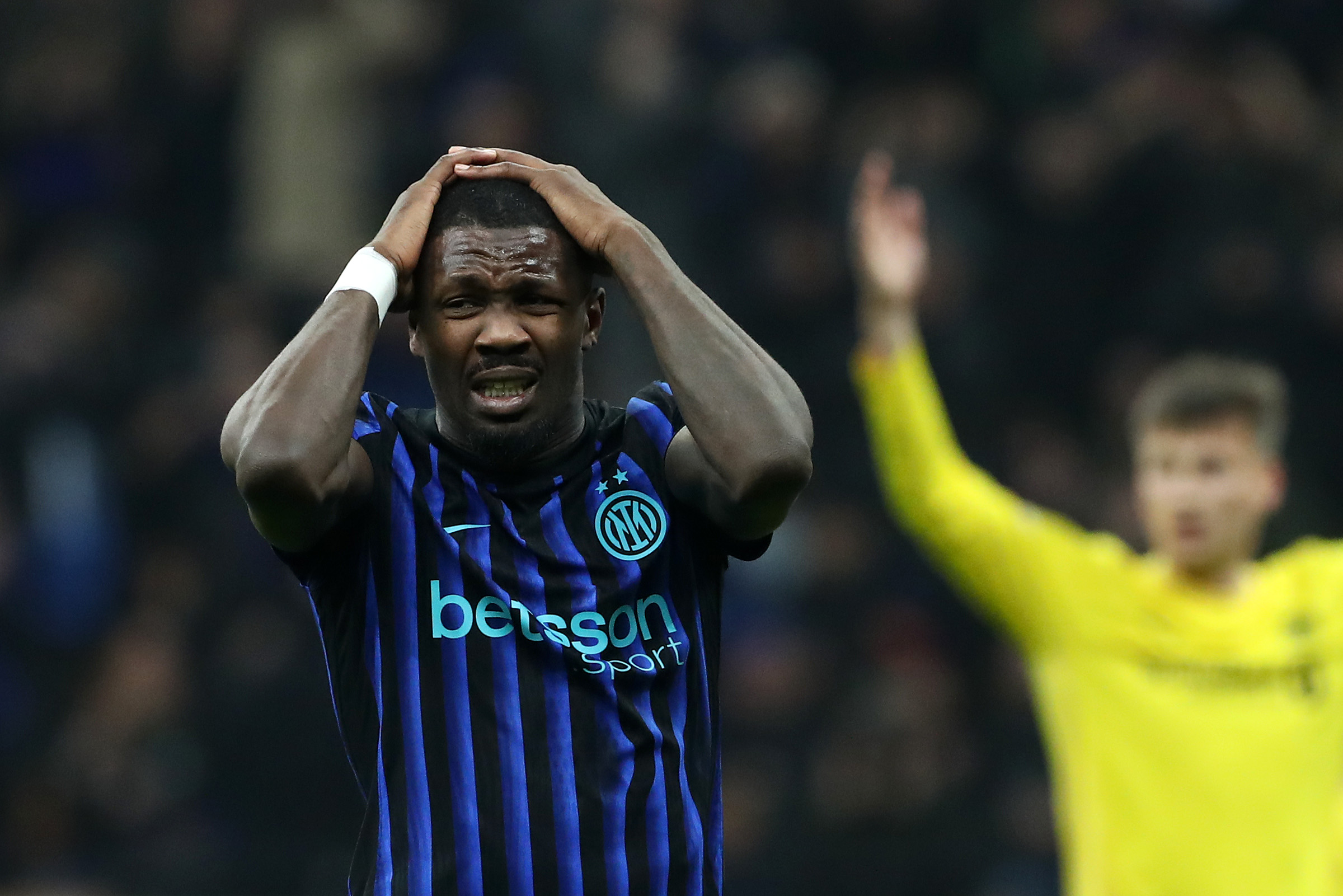
The lights at San Siro dimmed prematurely for Inter Milan on Tuesday night, but the silence following their aggregate defeat to Norwegian side Bodo/Glimt will be felt most acutely in the club’s accounting offices. By crashing out in the Champions League playoffs, the Nerazzurri have not only suffered a sporting humiliation but have also triggered a financial freefall compared to their lucrative run last season.
A 5-2 aggregate loss to the Norwegian upstarts marks a stark contrast to Inter’s journey in the 2024/25 campaign, where they reached the final before falling to Paris Saint-Germain. That run filled the club’s coffers with €136 million in UEFA prize money; this year, the total will stall at just over €71 million.
Breaking Down the Financial Damage
The €65 million gap represents a significant portion of Inter’s projected revenue, complicating their summer transfer strategy and Financial Fair Play (FFP) compliance. For the 2025/26 season, Inter’s European earnings are finalized as follows:
- Participation & Rankings: €18.62m for entry, combined with roughly €32m from European and non-European value pillars.
- Performance Bonuses: Only €10.5m earned from results, alongside a meager €2m in combined bonuses for their final league standing and playoff participation.
- Total Earnings: €71.27m.
Beyond the Prize Money
The “Bodo Flop” extends beyond the checks cut by UEFA. The loss of at least one guaranteed high-profile knockout match at San Siro strips the club of vital matchday revenue—often worth several million euros per game in ticket sales, hospitality, and concessions.
For a club that has spent the last few years carefully balancing its books while remaining competitive at the highest level, this early exit is more than a bad night on the pitch. It is a structural setback. As Bodo/Glimt prepares for its first-ever appearance in the Round of 16, Inter is left to figure out how to fill a €65 million hole in their 2026 balance sheet.