
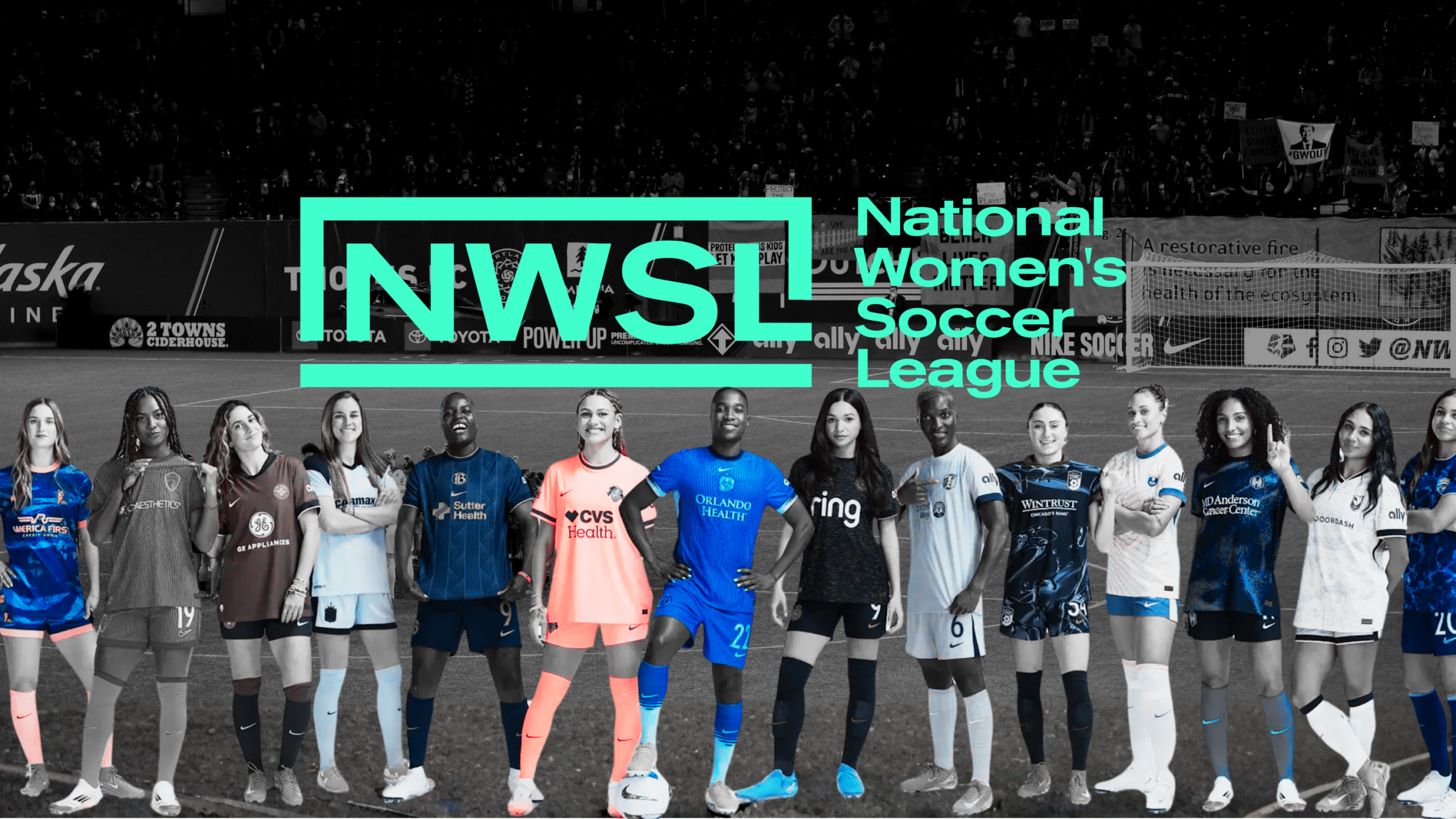
Four years ago, the combined valuation of National Women’s Soccer League (NWSL) franchises hovered around $500 million. Today? The league’s 14 teams are collectively valued at $1.46 billion. That’s an average franchise valuation of $104 million — a 57% jump from just one year prior, when the median sat at $66 million.
This isn’t just another set of numbers in the expanding world of sports economics. This represents a fundamental shift in how institutional capital views women’s sports as an investment vehicle.
The Watershed Moment: When Bob Iger Changed the Game
Everything changed in mid-2024.
Disney CEO Bob Iger and his wife, Willow Bay, completed a blockbuster acquisition of a controlling stake in Angel City FC for $250 million. Five years earlier, such a valuation for a women’s sports franchise would have seemed absurd. But this wasn’t merely a high-profile transaction — it was a signal flare.
When a figure of Iger’s stature — the head of the world’s most prestigious media conglomerate — commits capital at that scale to women’s soccer, it opens doors. Other billionaires and mega-funds took notice. The green light was on.
The Numbers Tell the Story:
| Year | Angel City Valuation | YoY Change |
|---|---|---|
| 2023 | $180M | — |
| 2024 (Pre-Iger) | $250M | +39% |
| 2025-2026 | $335M | +34% post-acquisition |
But Iger’s play wasn’t just about Angel City. Kansas City Current — owned by Angie and Chris Long — skyrocketed from $75 million in 2023 to a staggering $182 million by 2024. The catalyst? A $140 million privately-funded stadium purpose-built for women’s soccer. And the valuation has since climbed to $315 million.
The Stadium Economics: Unlocking a New Revenue Model
The Kansas City story holds the key to understanding NWSL’s economic transformation. CPKC Stadium’s opening fundamentally rewrote the playbook for franchise profitability.
Before 2024, most NWSL teams operated as tenants — playing in MLS or NFL stadiums, paying rent to the primary tenant or municipality. Revenue streams were constrained:
- Ticket sales (limited capacity, secondary venue considerations)
- Restricted sponsorship (shared stadium naming rights, limited premium seating)
- High operational costs (per-diem fees for stadium usage)
With Kansas City controlling its own facility, the revenue model expanded exponentially. By 2025, Current’s local revenue exceeded $41 million — nearly 6.3 times Chicago Red Stars’ $6.5 million, despite both playing in top-tier markets.
The Long family’s vision extended beyond the stadium itself. Their surrounding development project (targeting $1 billion in total investment) demonstrates that serious investors are playing the long game in women’s soccer. This isn’t a two-year experiment; it’s a 20-year wealth-creation strategy.
California Gold Rush: How Two Franchises Redefined Valuation Metrics
Two California teams joined the league in 2022: Angel City FC and San Diego Wave. Each paid a $2 million expansion fee.
Today, San Diego is valued north of $200 million; Angel City sits at $335 million.
San Diego Wave’s success blueprint:
When San Diego Wave drew 20,718 fans in 2024 (a league-leading attendance figure that only two NWSL teams could claim in 2019), the sports business world took notice. The fans were real. The brand was legitimate. The money was there.
Even with Alex Morgan’s retirement reducing star power in 2025, Wave’s valuation didn’t plummet — it climbed from $126 million to $200 million. Why? The market recognized that Wave had evolved from a novelty expansion team to a mature, sustainable franchise.
San Diego generated $24 million in local revenue during 2024. At a 8.3x multiple, that produces a $200 million valuation — mathematically sound and repeatable.
The Expansion Fee Explosion: A Metric of Rising Valuations
NWSL expansion fee progression tells the story of skyrocketing franchise values:
| Team | Year | Expansion Fee | Implied Opening Valuation |
|---|---|---|---|
| San Diego Wave | 2021 | $2M | $40-50M (estimated) |
| Bay FC | 2024 | $53M | $121M |
| Denver | 2025 | $110M | — |
| Atlanta | 2026 (awarded) | $165M | — |
Each expansion fee significantly undervalues the incoming franchise (the fee is paid before the team plays a game). Yet the trajectory is unmistakable: new entrants arrive with substantial valuations from day one.
Denver’s $110 million fee and Atlanta’s $165 million fee (the highest in women’s sports history) validate the league’s explosive valuation growth. Only six years ago, San Diego paid 1.5% of what Atlanta will pay. That’s not inflation — that’s market validation.
The Hard Truth: Every Team Still Loses Money
Here’s the elephant in the room: All 14 NWSL franchises posted operating losses in 2024-2025, ranging from $5-10 million annually.
Combined league revenue reached $215 million. Combined losses exceeded $100 million.
This fact alone should raise questions: Why are sophisticated investors pouring capital into unprofitable ventures?
Four Reasons Investors Persist:
1. Path to Profitability Sportico’s proprietary research, combined with direct conversations with ownership, projects NWSL franchises reaching profitability by 2028-2030. The Current model — with a $40M+ revenue base — demonstrates that positive EBITDA is achievable within 3-5 years if stadium economics align.
2. Media Rights Revolution The league’s 2024 media rights deal — valued at $60 million annually across CBS, ESPN, Amazon Prime Video, and Peacock — represents a 300% increase over the previous cycle. More importantly, national exposure attracts national sponsors. Budweiser, Google, and Ally Financial didn’t sponsor NWSL teams five years ago. They do now.
3. Celebrity Capital & Brand Velocity Ownership groups now include Hollywood heavyweights (Lilly Singh at Angel City), sports celebrities (Alexis Ohanian, Chris Long), and tech titans (Sixth Street Partners at Bay FC). Each brings credibility, social media reach, and institutional clout. While difficult to quantify in traditional valuation models, this “celebrity premium” drives merchandise sales, sponsorship activation, and media buzz.
4. Threshold Effect in Attendance The NWSL crossed a critical attendance threshold in 2024. League average attendance hit 8,500 per match — roughly 50% of MLS’s equivalent figure. More importantly, 7 of 14 teams averaged over 10,000 fans per game. That’s a 50% threshold of the league operating at meaningful scale. When fans exceed 10,000 per game, sponsorship tiers change. Premium seating becomes viable. TV ratings tick up.
Revenue Reality: The Widening Gap Between Haves and Have-Nots
The 2024-2025 revenue table exposes a significant disparity within the league:
| Team | Local Revenue | Valuation | Multiple |
|---|---|---|---|
| Kansas City | $41.3M | $315M | 7.6x |
| Angel City | $35M+ | $335M | 9.6x |
| San Diego Wave | $24M | $200M | 8.3x |
| Bay FC | $18M | $208M | 11.6x |
| Portland Thorns | $15M | $85M | 5.7x |
| Chicago Red Stars | $6.5M | $53M | 8.2x |
Chicago’s valuation multiple stands out: $53 million on just $6.5 million in revenue represents a 8.2x revenue multiple — suggesting the market prices in substantial future upside if the franchise’s operational structure improves.
By contrast, Kansas City’s 7.6x multiple is more conservative, implying limited growth headroom given the franchise’s current trajectory. Angel City’s 9.6x multiple suggests investors expect continued growth tied to Los Angeles market penetration and Disney synergies.
These multiples track closely with MLS comparables (which averaged 8-10x in recent valuations), validating that NWSL franchises are being priced by institutional investors using legitimate sports finance methodologies — not speculative excess.
The Valuation Architecture: How Sportico Prices Women’s Soccer
Sportico’s valuation methodology for NWSL franchises relies on three pillars:
1. Local Revenue Analysis
- Stadium operations (ticket sales, concessions, premium seating)
- Sponsorship (local, regional, national tiers)
- Merchandise and retail
- Corporate partnerships and suite rentals
2. National Revenue Attribution
- Media rights distribution per franchise
- National sponsorships split equally across league
- Licensing fees
3. Revenue Multiple Applied based on:
- Growth trajectory
- Attendance trends
- Ownership quality
- Stadium control (critical factor)
The league-wide revenue multiple jumped from 5.2x in 2022 to 6.8x in 2024 and is projected at 9.8x for 2026. For context:
| League | 2024 Multiple |
|---|---|
| NFL | 15.2x |
| NBA | 12.4x |
| MLB | 10.1x |
| MLS | 9.2x |
| NWSL | 6.8x → 9.8x (2026) |
NWSL’s trajectory suggests the league will reach MLS parity in valuation multiples by 2026-2027, assuming continued revenue growth and stable ownership.
Tier 1 vs. Tier 3: The Great Dividing Line
The league’s recent restructuring has created distinct tiers:
TIER 1 (Stadium-Controlled, Well-Capitalized):
- Angel City FC ($335M) — Disney backing, LA market, celebrity ownership
- Kansas City Current ($315M) — Proprietary stadium, deep pockets (Chris Long family), Midwest market dominance
- Bay FC ($208M) — Sixth Street Partners (PE firm), San Francisco market, modern operations
- San Diego Wave ($200M) — Proprietary stadium, West Coast market, proven attendance model
- Washington Spirit ($196M) — New ownership group (2024), rebuilding operations
TIER 2 (Mid-Market, Developing):
- Portland Thorns, North Carolina Courage, Seattle Reign, Austin FC, Houston Dash
TIER 3 (Stabilization Required):
- Orlando Pride, Louisville Racing, Chicago Red Stars (requires operational restructuring and stadium solution)
The gap between Tier 1 and Tier 3 is stark and widening. Angel City at $335M vs. Chicago at $53M represents a 6.3x valuation difference despite playing in comparable markets. The difference? Stadium control, operational excellence, and ownership capital depth.
Why The Average Valuation Jumped 57% in One Year
The league’s average franchise valuation grew from $66 million (2024) to $104 million (2025) — a 57% annual increase. This acceleration stemmed from three compounding factors:
1. Two High-Valued Entrants
- Bay FC entered at $121M (well above league average)
- Utah Royals return priced at $85M
2. Stadium Control Economics Spreading
- San Diego’s success (stadium + revenue correlation) validated the model
- Other franchises began exploring stadium solutions
- Valuations recalibrated upward based on stadium pathway clarity
3. Media Rights Surge
- The 60M annual deal provided concrete revenue stream visibility
- National sponsors calibrated commitments
- Each franchise gained $4-5M annual incremental value from media rights alone
4. Expansion Fee Signals
- Denver’s $110M fee and Atlanta’s $165M fee provided external validation of league valuations
- Sportico and other valuation firms recalibrated their models upward
- The highest bidders’ assessment of franchise value influenced all upward
Combined, these factors created a revaluation wave that lifted all boats, with Tier 1 franchises capturing disproportionate gains.
The Bubble Question: Is This Sustainable?
Bubble Warning Signs:
- No Profitability Timeline: Losses continue despite rising valuations
- Unproven Stadium Model: Only Kansas City and San Diego have demonstrated the stadium economics model — can it replicate in other markets?
- Star Player Dependency: Alex Morgan’s retirement removed a marquee name; can the league sustain interest without mega-stars?
- Media Rights Ceiling: The current broadcast deal ends in 2027 — will the next rights package maintain $60M+ value?
Boom Indicators:
- Attendance Inflection: League attendance grew 32% YoY in 2024, with 7 teams exceeding 10,000 average fans
- National Coverage: Weekly national broadcasts on ESPN/CBS/Amazon validate legitimacy
- Caitlin Clark Halo: The WNBA’s 2024 attendance explosion (up 40%+) created positive sentiment for women’s sports broadly
- Summer Timing Advantage: NWSL’s season (May-November) avoids direct competition with NBA/NFL, capturing unique audience
- Expansion Demand: Denver and Atlanta didn’t struggle to find ownership groups — both cities had multiple qualified bidders, suggesting supply constraints, not demand shortage
The Ownership Landscape: Who’s Winning?
Winners (valuations outpacing revenue growth):
- Angel City: Hollywood connectivity + media synergies justify premium multiples
- Kansas City: Stadium leverage provides revenue moat; valuation justified by economics
- Bay FC: Sixth Street Partners’ operational expertise driving efficiency gains
Watchlist (valuations dependent on execution):
- Portland Thorns: Historic fanbase but declining attendance; valuation at risk without stadium solution
- North Carolina Courage: Strong market but operational challenges; requires new owner stability
- Seattle Reign: Solid market, declining performance; valuation dependent on competitive improvement
At Risk (valuation compression likely):
- Chicago Red Stars: $53M valuation implies significant turnaround expectations; without stadium/operational restructuring, downside pressure inevitable
- Orlando Pride: Smallest revenue base, inconsistent performance; requires investor capital injection
Media Rights and National Sponsorships: The Real Engine
The $60 million annual media rights deal (2024-2027) isn’t a valuation driver by itself. Rather, it’s a credibility signal.
When CBS airs NWSL matches nationally, when Amazon Prime Video produces original content, when ESPN dedicates primetime slots — national brands take notice.
2024 National Sponsors (New/Expanded):
- Budweiser (official beer sponsor)
- Google (AI/tech partnership)
- Ally Financial (title partnerships)
- Dick’s Sporting Goods (retail)
These partnerships contribute $8-12 million annually to league-wide revenue — money distributed proportionally to franchises. Critically, national sponsors reduce franchise dependency on local sales, creating a floor for revenue even if a given market underperforms.
This is why Chicago’s valuation didn’t compress despite weak local metrics — national revenue provides a safety net.
International Comparison: Is NWSL More Valuable Than European Women’s Leagues?
This is where things get interesting.
The highest-valued European women’s soccer team? Arsenal Women FC, valued at approximately $50-60 million in recent assessments.
Angel City’s $335 million valuation exceeds Arsenal by 5.6x.
Why? Three structural differences:
- Franchise Economics: NWSL teams operate as autonomous profit centers with exclusive territorial rights. European teams are subsidiaries of men’s clubs.
- Growth Trajectory: European women’s leagues are mature with flat growth. NWSL is in explosive growth phase (attendance +32%, revenue +40%).
- American Institutional Capital: US-based PE firms, hedge funds, and billionaires have capital they’re comfortable deploying in women’s sports. European structures are less conducive to this.
NWSL franchises are priced as growth assets, not mature divisions.
The 2026-2027 Inflection Point: What Comes Next
Three critical events will reshape NWSL valuations:
1. Second Media Rights Cycle (begins 2028) If the next rights package exceeds $80 million annually, valuations will jump 20-30%. If it stalls at $60M, growth plateaus.
2. Profitability Achievement If Kansas City or San Diego post EBITDA-positive results in 2026-2027, it validates the business model. If losses continue, investor sentiment reverses.
3. Expansion Completion Denver and Atlanta’s entry will demonstrate whether expansion economics hold at $110M+ fees. If either franchise struggles operationally, future expansion will be constrained.
The Stadium Thesis: Why Physical Infrastructure Drives Valuation
Here’s the uncomfortable truth: NWSL valuations are primarily driven by stadium control, not on-field performance.
Kansas City’s jump from $75M to $315M wasn’t caused by improved play. It was caused by stadium opening, which unlocked:
- Premium seating revenue (+$8M annually)
- Sponsorship tier increases (+$6M annually)
- Merchandise uptick (+$2M annually)
- Event rentals (+$3M annually)
That’s $19 million in incremental revenue — justifying a $240 million valuation increase when applied at current multiples.
By contrast, teams relying on shared stadium infrastructure (Chicago, Orlando, Louisville) face inherent revenue caps. Until these franchises either:
- Build proprietary stadiums
- Gain exclusive, long-term stadium control
- Are acquired by ownership groups with capital
…their valuations will compress relative to Tier 1 franchises.
Conclusion: A Market Revaluation, Not a Bubble
NWSL’s four-year journey from $500 million to $1.46 billion collective valuation represents something unprecedented in sports finance: institutional capital discovering an undervalued asset class with structural tailwinds.
The league remains unprofitable. Player salaries are rising (top stars now earn $500K+). Competition for talent is intensifying.
But the fundamentals are sound:
✓ Attendance inflection — reached sustainable scale
✓ Media distribution — national platforms legitimized the product
✓ Capital depth — serious investors (Sixth Street, Iger, Long) deployed real capital
✓ Stadium solutions — Kansas City and San Diego proved the revenue model
✓ Market demand — expansion fees increased 50x in six years
The question isn’t whether NWSL valuations are justified — they’re justified by revenue multiples comparable to MLS.
The question is: Can the league sustain its current growth trajectory through the 2026-2027 inflection points?
For Tier 1 franchises with stadium control and deep-pocketed ownership, the answer appears to be yes.
For Tier 3 franchises without stadium solutions, severe valuation pressure looms unless operational structures change.
The NWSL isn’t overvalued. It’s bifurcated — with Tier 1 franchises priced correctly and Tier 3 franchises priced optimistically pending execution.
In women’s sports, we’ve entered the institutional phase. The early-bird investors who bought at $2M expansion fees (San Diego) are already up 100x. The question now is whether late-stage entrants at $165M (Atlanta) capture similar returns.
History suggests they will — but only if the growth narrative holds.