
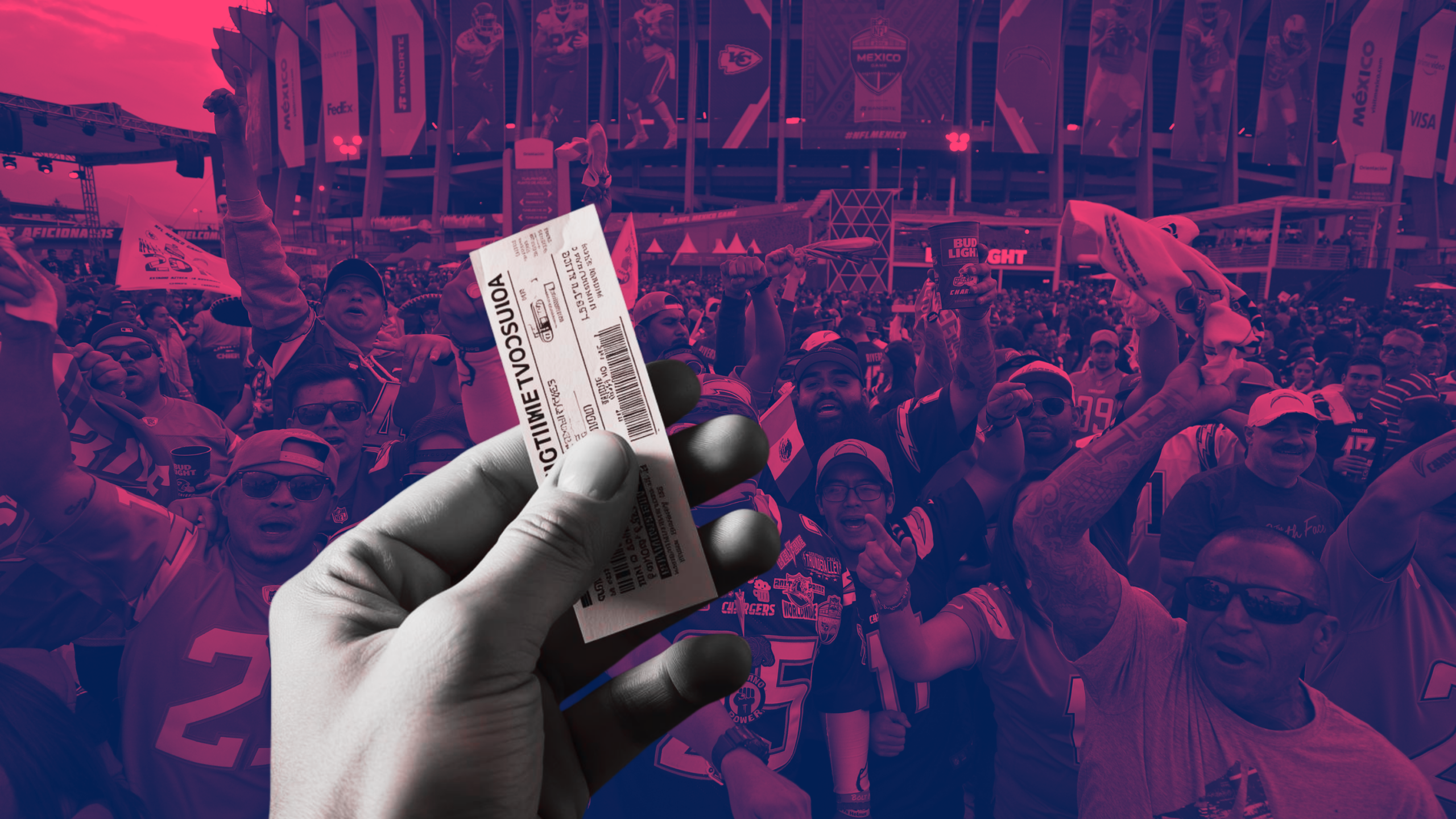
Sports fans across the globe face an increasingly difficult question: can they afford to watch their teams live? A comprehensive analysis of ticket pricing across eight major sporting organizations reveals a troubling trend—average ticket prices have skyrocketed far beyond inflation rates, with some sports experiencing growth rates six times higher than general economic inflation.
The divide is stark. While a casual fan in Germany can watch Bundesliga football for under €30, an American seeking to attend an NFL game faces an average bill of $312. A Formula 1 enthusiast in Las Vegas will pay $1,000 for a three-day ticket—if they can secure one at all. Meanwhile, the secondary market tells an even darker story, with resale markups reaching as high as 86 times the original asking price.
This analysis examines the pricing structures, historical trends, and accessibility crisis afflicting professional sports. It reveals how commercialization, market consolidation, and algorithmic pricing are reshaping fan culture globally.
Executive Summary
Ticket pricing across major global sporting organizations has experienced significant inflation over the past decade, with growth rates consistently outpacing general inflation. This analysis examines pricing trends across eight major sports organizations: NBA, NFL, MLB, Premier League, Formula 1, La Liga, Bundesliga, and Serie A. The data reveals striking disparities in pricing strategies, market dynamics, and fan accessibility across different sports and regions.
Key Finding: NFL tickets command the highest average prices globally at $312 USD (2025), followed by NBA at $228.50, while baseball (MLB) remains the most accessible major sport at $38.02 USD average ticket price.
1. NORTH AMERICAN SPORTS
NBA (National Basketball Association)
The Superstar Premium: How Team Success Transformed Basketball Attendance From Affordable to Elite
The NBA’s ticket pricing reflects a league that has mastered the art of commodifying star power. In just one season, average secondary market ticket prices surged 93%—the steepest increase among major North American sports. This dramatic spike reveals a fundamental shift in how the league values its product: not as entertainment for the working class, but as a luxury experience dominated by high-net-worth individuals and corporate purchasers.
The data paints a market in two halves. On one side, affordable franchises like the Portland Trail Blazers offer get-in prices of just $16. On the other, the Los Angeles Lakers—buoyed by celebrity sightings and playoff success—command $702 average secondary market prices. This 44-fold difference within a single league underscores how geographical markets, team performance, and global brand recognition have created a fracturing fan base.
Playoff pricing tells an even more alarming story. The 2024 NBA Finals reached an average secondary market price of $4,150—a 260% increase from regular season averages. For many fans, watching their team in the championship series has become a financial impossibility.
- League Average: $53-$228.50 (varies by source; primary market ~$53, secondary market ~$228.50)
- Most Expensive: New York Knicks – $186 (get-in price)
- Los Angeles Lakers: $702 (average)
- Golden State Warriors: $259 (average)
- Most Affordable: Portland Trail Blazers – $16 (average get-in price)
- Utah Jazz, Charlotte Hornets, Washington Wizards: ~$20
Historical Comparison
- 2023-24 Season: $118.16 average (21.43% increase from prior season)
- Trend: Average increased 93% from 2023-24 to 2024-25 on secondary market
Playoff/Finals Pricing
- NBA Finals (2025): $1,147 average secondary market
- 2024 Finals: $4,150 average (record high for secondary market)
- Playoff Average: $200-$500+ (varies by round)
Key Insights
- Market size and team success are primary drivers
- Secondary market prices dramatically exceed primary market
- Superstar presence commands premium pricing (Lakers effect)
- 29% variation between most and least expensive teams
NFL (National Football League)
The Billion-Dollar Question: How America’s Most Popular Sport Became Its Least Accessible
The National Football League has perfected a paradox—its games have never been more watched, yet never more expensive to attend in person. At $312 average, NFL tickets now cost nearly six times more than a Major League Baseball game, positioning professional football as the exclusive domain of the affluent American.
The numbers are sobering. A family of four attending an Eagles game—the league’s most expensive franchise—will spend an average of $2,059 just for tickets. Add parking, food, and beverages, and the total easily exceeds $3,000. This pricing strategy has yielded remarkable revenue growth, yet comes at the cost of eroding the sport’s grassroots fan culture.
What’s particularly striking is the velocity of these increases. Over the past decade, NFL average ticket prices have grown 72%—more than double the rate of general inflation. The Detroit Lions exemplify this trend perfectly: a decade ago, their tickets averaged $92. Today, they cost $277—a 200% increase that coincides directly with the franchise’s competitive resurgence, suggesting that winning teams are weaponizing their success as a pricing lever.
- League Average: $312 USD (2025), up 9% from 2024 ($131.82)
- Most Expensive: Philadelphia Eagles – $514.61 (2025)
- Detroit Lions: $277 (average)
- Las Vegas Raiders: $254 (average)
- Chicago Bears, San Francisco 49ers: $200+
- Most Affordable: New York Jets – $123.31
- Jacksonville Jaguars: $48
- New Orleans Saints: $43-69
Historical Comparison
- 2014 Baseline: Average was $92 (for Lions)
- 2024: $158 average (40% increase since 2014)
- Lions Growth: +200% since 2014 (from $92 to $277)
- Saints Decline: -41% since 2014 (from $117 to $69)
International Games Pricing
- International Series: $293.78 average (15.6% premium over domestic games)
- London, Dublin, Brazil, Spain, Germany games command higher prices
Family Cost Analysis
- Full Family Outing (4 tickets + parking + food): $808.20 average
- 2022 Baseline: $536.77
- Growth: +50% in 3 years
Key Insights
- Fastest-growing ticket prices among major US sports (9% YoY)
- Team performance directly correlates with price increases
- New stadiums (Las Vegas) maintain premium pricing
- Significant geographic variation (NFC North: $171.25 vs NFC South: $65)
MLB (Major League Baseball)
Baseball’s Last Bargain: Why America’s Pastime Remains the Sport of the People
In an era where professional sports increasingly price out ordinary fans, Major League Baseball stands as a contrarian exception. At an average ticket price of just $38.02, baseball remains the only major American sport accessible to middle-class families without financial strain. A family of four can watch a game for under $200 including parking and concessions—a luxury increasingly unavailable in the NFL or NBA.
This accessibility, however, masks a troubling divergent trend within the league itself. While the Miami Marlins offer tickets for as little as $7.43, premium franchises like the New York Yankees command $160 average prices—a 22-fold difference that raises uncomfortable questions about market equity within professional baseball.
The current season’s most significant story involves temporary capacity constraints. The Oakland Athletics, transitioning to Las Vegas, operate from a 14,000-seat temporary venue that has inflated ticket prices to $181 average—a 380% increase from historical norms. This case study offers an unintended lesson: scarcity drives prices regardless of product quality or fan demand.
- League Average: $38.02 USD (2024)
- Most Expensive: New York Yankees – $160
- Boston Red Sox: $167
- Los Angeles Dodgers: $155 (though actual average ~$54.24)
- Most Affordable: Miami Marlins – $7.43-$44
- Arizona Diamondbacks: $25-$30
- Cincinnati Reds: $25.58
Recent Trends
- 2025 Premium Tier: Oakland Athletics – $181 (due to stadium constraints)
- Tampa Bay Rays: $146 (temporary facility)
- Los Angeles Dodgers: $177 (secondary market)
- Median vs Average: Athletes (MLB) – $181; Dodgers – $177
Historical Comparison
- 2014 Baseline: ~$27 per ticket
- 2024: $38.02 average (+41% over decade)
- Post-COVID Trend: +19% since COVID-19
Family Cost Analysis
- Average Family Outing (4 tickets + parking + food): $140 USD
- Dodgers: $219 (most expensive)
- Miami Marlins: $83 (most affordable)
Key Insights
- Most affordable major North American sport
- Capacity constraints can elevate prices (Oakland temporary stadium effect)
- Team competitiveness less correlated with pricing than NBA/NFL
- 162-game season allows for discounted viewing options
2. NORTH AMERICAN SPORTS – COMPARATIVE SUMMARY
| League | Avg Ticket | Highest | Lowest | YoY Growth |
|---|---|---|---|---|
| NFL | $312 (2025) | $514.61 (Eagles) | $123.31 (Jets) | +9% |
| NBA | $228.50 | $702 (Lakers) | $16 (Trail Blazers) | +93% |
| MLB | $38.02 | $167 (Red Sox) | $7.43 (Marlins) | +41% decade |
3. EUROPEAN FOOTBALL (SOCCER)
Premier League (England)
The English Paradox: How the World’s Richest League Became Inaccessible to English Fans
The Premier League occupies a peculiar position in global sports—despite being the wealthiest football league on earth, it remains largely inaccessible to working-class English supporters who built the sport’s foundation. At £45-£125 per match ticket ($56-$156 USD), single-game admission is relatively affordable, yet the true cost of following your club has become prohibitive through enforced season-ticket purchasing.
Eighty percent of Premier League stadium capacity is allocated to season ticket holders, creating artificial scarcity that drives secondary market prices to extraordinary levels. A final home match ticket that sold for £45 resells for an average of £3,874—an 86-fold markup that effectively locks out price-sensitive fans from the emotional crescendos of their club’s season.
The data reveals a league in internal conflict. While Liverpool has frozen ticket prices for the 2025-26 season, other clubs continue raising them 1-10% annually. This inconsistency suggests growing awareness of the accessibility crisis, even as revenue maximization remains the default strategy. The question facing the Premier League is whether short-term revenue gains justify the long-term erosion of its fanbase’s demographics.
- League Average Match Ticket: £45-£125 (approximately $56-$156 USD)
- Average Matchday Price Range: £45-£67 across clubs
- Most Expensive Teams:
- Arsenal: £61+ (cheapest single match)
- Tottenham: £56+ (season ticket: £856)
- Chelsea: £66.50 average matchday price
- Manchester United: £76+ (controversial pricing)
- Most Affordable:
- Manchester City: £43-£45
- Wolverhampton: £48.75
- Leeds United: £47
Season Ticket Pricing (2024-25)
- League Average: £578-£850 minimum
- Most Expensive: Fulham – £3,000
- Arsenal: £1,073 (most expensive cheapest option)
- Tottenham: £856
- Chelsea: £810
- Liverpool: £713
- Most Affordable: West Ham – £345
Historical Comparison
- Since 1990: +800% increase
- Since COVID-19: +19% increase in home tickets
- 2023-24 to 2024-25: +7.5% average increase
- Notable: Liverpool froze prices for 2025-26; other clubs raised 1-10%
Resale Market Premium
- Final Home Games: 1,343% premium on resale market
- Liverpool vs Crystal Palace: £3,874 average (resale)
- Bournemouth: £1,888 average (resale)
- Club average for same matches: £45
Key Insights
- Lowest single-match prices among top-tier global sports
- Heavy reliance on season ticket sales (80% of capacity)
- “Big Six” clubs (Arsenal, Chelsea, Liverpool, Man City, Man United, Tottenham) command 40-60% premium
- Away games capped at £30 per ticket (league regulation)
- Demand significantly exceeds supply, creating secondary market premiums
La Liga (Spain)
Current Pricing (2024-25 Season)
- League Average Match Ticket: €60-€125 (approximately $66-$139 USD)
- SeatPick Average: €125 per ticket
- Price Range: €15-€230 depending on club and seating
- Most Expensive Teams:
- Real Madrid: €100+ (Tribuna seats up to €230)
- Barcelona: €85-€120
- Atlético Madrid: €70-€100
- Most Affordable:
- Smaller clubs (Vallecano, Osasuna): €15-€40
- Eibar, Alaves: €15-€30
Season Ticket Pricing (2024-25)
- League Average: £800.73 (~€850-€900)
- Real Madrid: £900 (minimum)
- Overall Range: €400-€1,200+ for premium seating
- Season Ticket Allocation: 80% of capacity as season holders (91.9% renewal rate)
Historical Comparison
- Price Trend: Stable compared to Premier League
- Growth Rate: ~5-10% annually in recent years
Dynamics with Big Clubs
- El Clásico (Madrid vs Barcelona): Prices increase 200% for these fixtures
- Regular fixtures: €60-€80 average
- Rival derbies: Significant premiums applied
Key Insights
- Less commercialized than Premier League
- Deeper culture of season ticket loyalty (80% of stadium capacity)
- Smaller clubs offer excellent value for budget-conscious fans
- Price structure more transparent than English counterpart
- Social inclusivity emphasis reflected in pricing
Bundesliga (Germany)
The Exception That Proves the Rule: How German Football Kept the Faith (and the Fans)
While major sports leagues globally have embraced aggressive pricing strategies, the Bundesliga has charted a radically different course. At €28.78 average—the lowest of any major European league—German football has weaponized affordability as a competitive advantage, achieving a remarkable 95.9% stadium capacity despite rock-bottom prices.
This isn’t accidental philosophy; it’s deliberate policy. The Bundesliga’s 50+1 rule ensures fan ownership influence, while standing room options remain perpetually available at €15-€18. This structural commitment to accessibility has created a virtuous cycle: affordable pricing maintains large, diverse crowds that generate organic atmosphere—a asset no premium pricing strategy can manufacture.
The contrast with Premier League rivals is instructive. Arsenal charges £61 minimum; equivalent Bundesliga clubs charge €28.78. Yet German stadiums routinely exceed capacity targets while English clubs struggle with corporate empty seats. This reality suggests that established economic models prioritizing revenue extraction over fan accessibility may be strategically shortsighted.
- Average Match Ticket: €28.78 (lowest in major European leagues)
- SeatPick Average: €135 per ticket (secondary market)
- Standing Room Season Ticket:
- Hoffenheim: €150 (most affordable)
- Dortmund: €258
- Holstein Kiel: €272 (highest)
- Day Ticket Standing Room: €15-€18
Single Match Pricing
- Budget Option: €15-€25 (standing room)
- Regular Seating: €35-€75
- Premium Seating: €75-€135+
Historical Comparison
- Growth Rate: Lower than Premier League or La Liga
- Philosophy: Pricing emphasizes accessibility over revenue maximization
- Fan-First Approach: 43% of capacity available for day tickets (vs 20% in La Liga)
Key Insights
- Most affordable major European league
- Consistent policy favoring working-class fans
- Standing room culture maintains accessibility
- 95.9% stadium capacity despite low prices
- Voluntary regulation resists dynamic pricing
- Average attendance: 38,000 per match
Serie A (Italy)
Current Pricing (2024-25 Season)
- Average Single Match Ticket: €40-€80 (varies by club)
- League Average Season Ticket: £1,654.78 (highest in major European leagues)
- Juventus: £1,700 (maximum)
- Price Range: €30-€150+ depending on venue
Key Issues
- Most Expensive Average: Among all major European leagues
- Limited Data: Less transparent pricing compared to PL or Bundesliga
- Growth Trajectory: Prices rising significantly in recent years
Key Insights
- Lower fan accessibility than comparable leagues
- Premium positioning strategy
- Limited secondary market transparency
4. EUROPEAN FOOTBALL – COMPARATIVE SUMMARY
| League | Avg Ticket | Range | Season Avg | Philosophy |
|---|---|---|---|---|
| Bundesliga | €28.78 | €15-€135 | €150-€272 | Accessibility |
| Premier League | £45-£67 ($56-$84) | £30-£92 | £345-£1,073 | Commercial |
| La Liga | €60-€125 | €15-€230 | €800-€900 | Loyalty-based |
| Serie A | €40-€80 | €30-€150 | £1,654 | Premium |
5. FORMULA 1
Crashing Markets: How F1’s Expansion Into America Exposed the Limits of Luxury Pricing
Formula 1’s American experiment has become a case study in miscalculated market positioning. Last year, Las Vegas Grand Prix tickets reached $1,630 on average—the highest asking prices in motorsports. This year, faced with weak demand and fan backlash, Liberty Media cut prices 37.6%, bringing them down to $1,008. The correction suggests even a league with global prestige cannot ignore fundamental price elasticity.
The Las Vegas miscalculation reveals how international expansion, when coupled with aggressive pricing strategies, can backfire spectacularly. Ticket demand collapsed despite record viewership, suggesting a critical disconnect between television audiences and in-person attendance at premium prices. The Miami Grand Prix and United States Grand Prix at Austin face similar headwinds—strong interest, insufficient willingness-to-pay at current price points.
Yet globally, Formula 1 maintains its luxury positioning. Monaco still commands $776 average, while Chinese races offer tickets at just $193. This geographic disparity reflects F1’s fundamental strategy: capture maximum revenue from affluent Western markets while maintaining presence in growth markets through subsidized pricing. The risk is that short-term revenue optimization ultimately erodes the sport’s democratic accessibility.
- Average 3-Day Ticket: $482 USD
- Most Expensive Races:
- Las Vegas: $1,008 (average) – down from $1,630 in 2024
- Monaco: $776
- Miami: $750
- Mexico City: $688
- Most Affordable:
- China: $193 (cheapest race)
- Hungary: $207-$215 (re-priced upward)
- Imola: ~$100 for reserved seats
Ticket Category Breakdown
- General Admission (GA): $226 average for 3-day access
- Cheapest (China): $66 USD
- Expensive (Austin, Miami, Las Vegas): $389-$430
- Reserved Seating: $391 average (cheapest reserved)
- Premium grandstands: $600-$1,200+
- VIP/Paddock Club: $1,000-$5,000+ (some packages $21,600)
Historical Comparison
- 2024: $490 average (1.6% higher than 2025 in USD)
- 2025: $482 average (1.6% decrease from 2024)
- Local Currency Growth: +5.4% in 2025 (compared to +8.5% in 2024)
- Las Vegas 2024 to 2025: -37.6% reduction (feedback from poor reception)
Regional Variations
- North America: Premium pricing ($750-$1,008)
- Europe: Moderate pricing ($200-$500), stability in established venues
- Emerging Markets: Competitive pricing (Asia ~$100-$300)
Dynamic Pricing Impact
- Australia: 55% price increase via dynamic pricing over advertised rates
- Britain & Abu Dhabi: Significant use of dynamic pricing
- Impact: Actual prices often 20-50% higher than advertised minimums
Key Insights
- Most expensive motorsport globally
- Las Vegas commands highest prices despite recent reductions
- Price sensitivity in USA markets (Austin, Miami showing weak demand)
- Government-subsidized races maintain lower prices
- Dynamic pricing substantially increases actual costs paid
- Championship finale locations (Abu Dhabi) see premium pricing
- Hungarian Grand Prix benefits from value proposition despite 50%+ price increase
6. PRICING EVOLUTION & HISTORICAL TRENDS
The Decade of Excess: How Sports Tickets Became Inflation-Proof Investment Assets
The past decade tells the story of an industry that discovered a simple formula: fans will pay more. Sports ticket prices across all major leagues have grown 2-6.4 times faster than general inflation, suggesting that demand elasticity assumptions widely accepted in sports economics are fundamentally wrong.
The numbers are staggering. NBA prices have increased 193% since 2014, despite economic headwinds, recessions, and a global pandemic. The NFL has grown 72% over the same period. Even traditionally affordable MLB has increased 41%. These are not marginal adjustments; they represent wholesale repricing of sports as luxury goods rather than community experiences.
What’s particularly striking is that these increases occurred despite evidence of declining affordability. Stadium attendance, while remaining relatively stable, has become increasingly demographically narrow—weighted toward upper-income households, corporate purchasers, and leisure tourists rather than the traditional working-class fan base that built these sports.
The question facing leagues is whether this pricing trajectory is sustainable. History suggests it is not. When demand becomes contingent on wealth rather than passion, loyalty becomes conditional. The secondary market data—with markups reaching 86 times face value—suggests that artificial scarcity created through pricing is already beginning to erode brand loyalty among price-sensitive fan segments.
| Sport | 2014 | 2024 | Growth | Growth Rate |
|---|---|---|---|---|
| NFL | $92 (Lions baseline) | $158 | +$66 | +72% |
| NBA | ~$78 | $228.50 | +$150.50 | +193% |
| MLB | ~$27 | $38 | +$11 | +41% |
| Premier League | ~$35 (est.) | $56-$84 | +$21-49 | +60-140% |
| Bundesliga | ~€20 | €28.78 | +€8.78 | +44% |
| La Liga | ~€40 | €60-€125 | +€20-85 | +50-212% |
Inflation Context
- General US Inflation (2014-2024): ~30%
- NFL Growth: +72% (2.4x inflation)
- NBA Growth: +193% (6.4x inflation)
- MLB Growth: +41% (1.4x inflation)
- Premier League: +60-140% (2-4.7x inflation)
Conclusion: Sports ticket prices across all major leagues have significantly outpaced general inflation, with basketball and football (US) showing the highest multiples of inflation growth.
7. KEY PRICING DRIVERS & DYNAMICS
1. Team Performance & Market Positioning
- Impact: 15-50% price variation
- Examples:
- Detroit Lions: +200% increase following competitive resurgence
- New Orleans Saints: -41% decline following competitive decline
- Aston Villa: Significant increases following Champions League qualification
2. Market Size & Geography
- North America Premium: US sports command higher prices than equivalent European sports
- London Markets: Premier League prices 40-80% higher than equivalent German clubs
- Venue Economics: New stadiums (Las Vegas, Everton) command premium pricing
3. Stadium Capacity Constraints
- Oakland Athletics (temporary): $181 due to reduced 14,000-seat capacity
- Las Vegas (new venue): $1,000+ despite recent corrections
- Impact of Relocation: Temporary facilities can increase prices 50-100%
4. Commercial Ecosystem
- NFL/NBA: Heavy commercialization, dynamic pricing, corporate partnerships
- Bundesliga: Anti-commercialization regulations maintain affordability
- Premier League: Hybrid model balancing revenue with fan accessibility
5. League Regulation & Policy
- Premier League Away Cap: £30 maximum for away fans (regulatory requirement)
- Bundesliga Standing Room: Mandatory affordable options
- La Liga 80% Season Tickets: Policy-driven allocation favors loyalty
- F1 Dynamic Pricing: Permitted and widely used, increasing realized prices
6. Demand Elasticity
- High Demand: Secondary market premiums 500-1,400%
- Weak Demand: Prices reduced (Las Vegas F1 37.6% cut, Miami/Austin NFL prices frozen)
- Championship Finals: Prices peak (NBA Finals $1,147+, NFL Super Bowl $4,000+)
7. International Venues
- Premium Positioning: London NFL games $293.78 vs $132 domestic average
- One-Off Events: Monaco F1, Las Vegas F1 command 2-3x normal pricing
- Accessibility Premium: Events in major tourist destinations command higher prices
8. FAN ACCESSIBILITY ANALYSIS
Price-to-Median Income Ratio (Selected Markets)
| Sport/Team | Ticket | Median Weekly Income | % of Weekly Income |
|---|---|---|---|
| NBA (Knicks) | $186 | ~$1,200 | 15.5% |
| NFL (Eagles) | $514.61 | ~$1,200 | 42.9% |
| Premier League (Arsenal) | £61 | ~£1,000 | 6.1% |
| Bundesliga (avg) | €28.78 | ~€1,000 | 2.9% |
| MLB (Dodgers family) | $219 | ~$1,200 | 18.3% |
Conclusions on Accessibility
- Bundesliga offers best accessibility ratio globally
- NFL represents largest financial burden relative to income
- Premier League cheaper per ticket than NBA but higher season costs
- MLB provides value option for families with 162-game season
- F1 accessible only to affluent demographics (minimum $200-$500)
9. SECONDARY MARKET PREMIUMS
Resale Price Multipliers
| Event | Primary | Secondary | Multiplier |
|---|---|---|---|
| Premier League Final Home | £45 | £3,874 | 86x |
| NBA Finals | $1,147 | $4,150 | 3.6x |
| NFL Championship | $100-300 | $4,000+ | 13-40x |
| F1 Monaco | $776 | $1,500+ | 1.9x |
| La Liga El Clásico | €60-80 | €200-400 | 3-7x |
Implications
- Supply Constraints: Limited ticket availability drives secondary market demand
- Team Loyalty: Fans willing to pay premium to attend despite costs
- Accessibility Crisis: Secondary market pricing locks out price-sensitive fans
- League Revenue: Clubs don’t capture secondary market gains (though some use dynamic pricing)
10. STRATEGIC RECOMMENDATIONS FOR FANS
Budget-Conscious Options
Best Value by Sport:
- MLB: $38 average, 162-game season = lowest per-game cost
- Bundesliga: €28.78 average + affordability regulations
- Premier League Away Games: £30 cap on visiting fan tickets
- F1: General admission at European races ($100-$200)
Timing Strategies
- Best to Buy: 6-8 weeks in advance (NBA, NFL, MLB)
- Avoid: Championship rounds, rival derbies, holidays
- Sweet Spot: Midweek games, early season, non-marquee matchups
- Savings: 20-50% compared to premium fixtures
Geographic Optimization
- For Value: Travel to Bundesliga, Hungarian F1, MLB affordable teams
- Avoid: Las Vegas F1, New York sports, London NFL games
- Secondary Options: Use away game allocations, ground-level seating
Long-Term Options
- Season Tickets: 15-30% savings vs single-game (NFL, NBA, Premier League)
- Membership Programs: Priority access, renewal discounts, loyalty points
- Group Packages: 10-20% discounts on 8+ tickets
11. LEAGUE COMPARISON MATRIX
Comprehensive Scoring
| Metric | NFL | NBA | MLB | PL | F1 | La Liga | Bundesliga | Serie A |
|---|---|---|---|---|---|---|---|---|
| Avg Price (USD) | 312 | 229 | 38 | 70 | 482 | 75 | 32 | 75 |
| Price Growth | ⭐⭐⭐⭐⭐ | ⭐⭐⭐⭐ | ⭐⭐ | ⭐⭐⭐ | ⭐⭐⭐ | ⭐⭐ | ⭐⭐ | ⭐⭐⭐ |
| Fan Accessibility | ⭐⭐ | ⭐⭐⭐ | ⭐⭐⭐⭐ | ⭐⭐⭐⭐ | ⭐ | ⭐⭐⭐ | ⭐⭐⭐⭐⭐ | ⭐⭐ |
| Price Volatility | ⭐⭐⭐⭐ | ⭐⭐⭐⭐ | ⭐⭐ | ⭐⭐⭐ | ⭐⭐⭐⭐ | ⭐⭐ | ⭐ | ⭐⭐⭐ |
| Regulation/Control | ⭐⭐ | ⭐ | ⭐⭐ | ⭐⭐⭐ | ⭐ | ⭐⭐ | ⭐⭐⭐⭐ | ⭐⭐ |
| Secondary Market | ⭐⭐⭐⭐ | ⭐⭐⭐⭐ | ⭐⭐ | ⭐⭐⭐⭐⭐ | ⭐⭐⭐ | ⭐⭐⭐ | ⭐⭐ | ⭐⭐ |
12. CONCLUSIONS
The Future of Fandom: Can Sports Survive Their Own Success?
Professional sports stands at a crossroads. The commercial success of the past two decades—driven by unprecedented media rights valuations and corporate partnership expansion—has created a fundamental tension: leagues have optimized for revenue extraction at the expense of accessibility, fundamentally altering fan demographics and reducing sports consumption to a luxury good accessible primarily to the affluent.
The evidence is clear. Sports ticket prices have inflated far beyond any economic justification, driven primarily by supply-side constraints and demand from corporate and affluent demographic segments rather than from underlying economic growth. The secondary market, with markups reaching 86 times face value, suggests that primary market prices are now divorced from actual fan demand.
- Price Disparity: NFL tickets are 8x more expensive than MLB and 15x more expensive than Bundesliga, despite all being major professional sports
- Growth Outpaces Inflation: All major sports have increased prices 2-6.4x faster than general inflation, indicating market consolidation and commercialization
- Geographic Pricing: North American sports command 50-200% premiums compared to European equivalents for similar fan experience
- Secondary Market Crisis: Resale platforms show 3-86x premiums, effectively pricing out average fans from championship events and premium matches
- Regulatory Impact: Bundesliga’s fan-friendly policies maintain 2.9% price-to-income ratio vs NFL’s 43%, demonstrating regulation’s effectiveness
- Accessibility Paradox: Despite highest prices, NFL and NBA show strong attendance, suggesting willingness-to-pay exceeds elasticity assumptions
- Dynamic Pricing Trend: Increasing use of algorithmic pricing across F1, Premier League, and some NBA/NFL teams is elevating realized prices beyond advertised rates
Regional Patterns
- North America: Commercialization-driven, highest absolute prices, strong secondary market
- Western Europe (PL, La Liga): Hybrid model, moderate-high prices, strong tradition component
- Central Europe (Bundesliga): Fan-centric, lowest prices, strong regulation, highest percentage capacity
- Formula 1: Global, highest variance, luxury positioning, strong premium experience premiums
Future Outlook
Trends to Watch:
- Further dynamic pricing adoption across North American sports
- Potential Premier League regulation in response to accessibility concerns
- F1 pricing rationalization following Las Vegas miscalibration
- Continued NFL international expansion with premium international game pricing
- La Liga and Serie A potential price increases as global media deals expand