
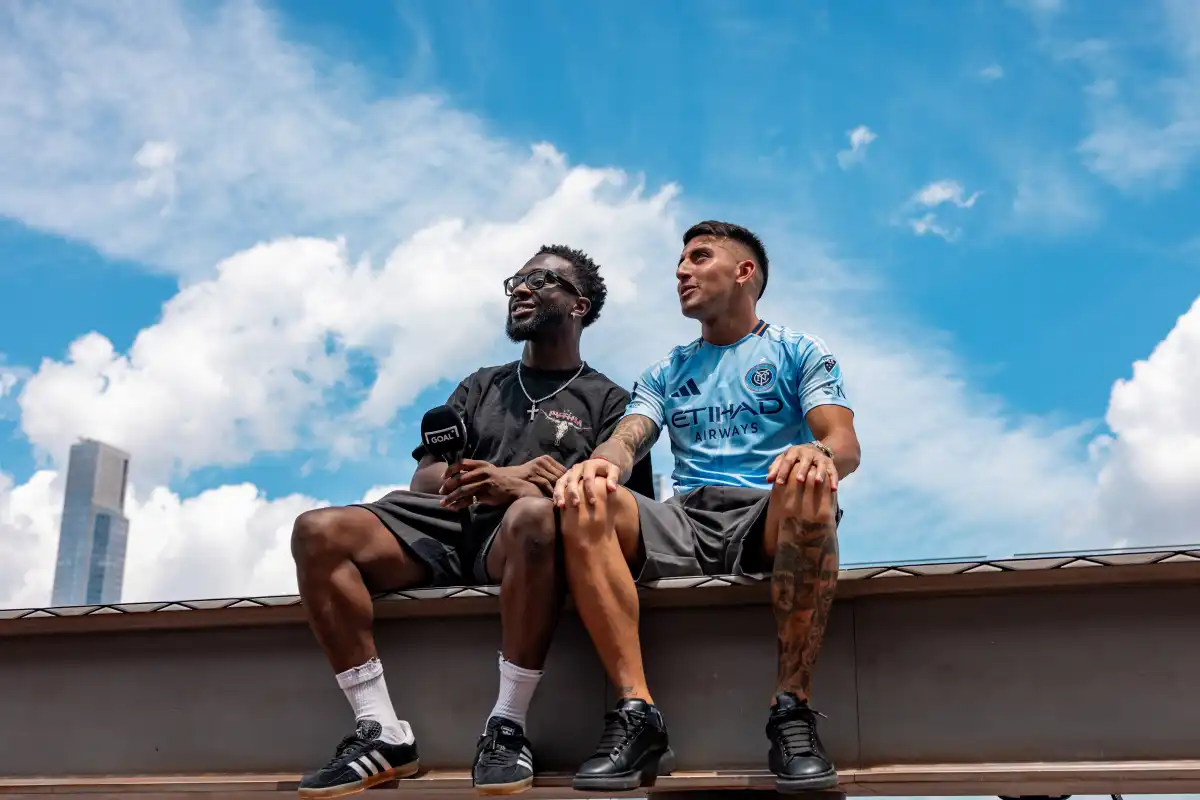
As European sports properties increasingly grant live broadcasting rights to content creators, a new model is reshaping how fans consume sport. Influencers are no longer just secondary commentators; they are becoming part of the official distribution system of live football and other competitions.
According to Ampere Analysis, more than half of sports fans across Latin America, North America and Europe now watch influencers or personalities doing watchalongs or live commentary on platforms such as YouTube and Twitch. This shows that consumption habits are shifting away from traditional broadcast-only viewing toward hybrid, creator-driven experiences.
The data reveals strong adoption across major markets. Mexico leads with 73%, followed by the USA at 69%, Poland at 64%, Brazil and Argentina at 62%, Spain and the UK at 59%, Australia at 58%, Canada at 56%, France and Germany at 54%, Sweden at 50% and Italy at 49%. Across nearly all regions, influencer-led sports content has become a mainstream behavior rather than a niche trend.
Rights holders are responding to this shift by partnering directly with creators. Instead of only selling exclusive rights to broadcasters, leagues are now licensing content to influencers to expand reach and engage younger audiences. Examples include CazéTV in Brazil, which has secured rights to major competitions such as the FIFA World Cup and UEFA Europa League, Mark Goldbridge and The Overlap in the UK covering Bundesliga Friday night matches, Zack Nani in France covering Saudi Pro League and youth internationals, and Tim Cocker in the UK covering Pro D2 rugby.
CazéTV is highlighted as the pioneer of this model. Led by Casimiro Miguel, the channel has built a major sports rights portfolio and is reported to have invested more than 160 million US dollars in sports rights by 2026. This positions influencer-led platforms not as side projects but as full-scale broadcasters in their own right.
Performance data shows clear differences in execution styles. Streams that simply rebroadcast a world feed without additional commentary or production tend to generate the lowest engagement. For example, The Overlap averaged around 14,243 viewers, while That’s Football generated around 35,713 viewers per stream.
When creators added commentary, storytelling and interactive elements, engagement increased significantly. Mark Goldbridge’s watchalongs improved average audience figures by around 22 percent, reaching approximately 42,727 viewers per stream. Zack Nani’s Saudi Pro League coverage averaged about 54,446 viewers across dozens of videos, reaching millions of cumulative views overall.
The most successful content combined live coverage with personality-driven storytelling, narrative framing and guest appearances. This approach transformed passive viewing into an interactive entertainment experience, especially during high-profile matches involving global stars such as Cristiano Ronaldo.
The data suggests that simple redistribution of broadcast feeds is not enough. Audience growth comes from added value, not just access. Creators who build narrative, emotion and community around matches consistently outperform those who only restream content.
The broader implication for sports rights is the emergence of a multi-layered distribution ecosystem. Tier two and tier three competitions can gain global visibility through creators even when traditional broadcast deals are limited or low in value. At the same time, major leagues can extend their reach beyond traditional television audiences.
In this model, broadcasters remain important for stable revenue, while influencers drive engagement and discovery. Platforms like YouTube and Twitch are becoming parallel stadiums where global audiences gather not just to watch sport, but to experience it through personalities they trust.