
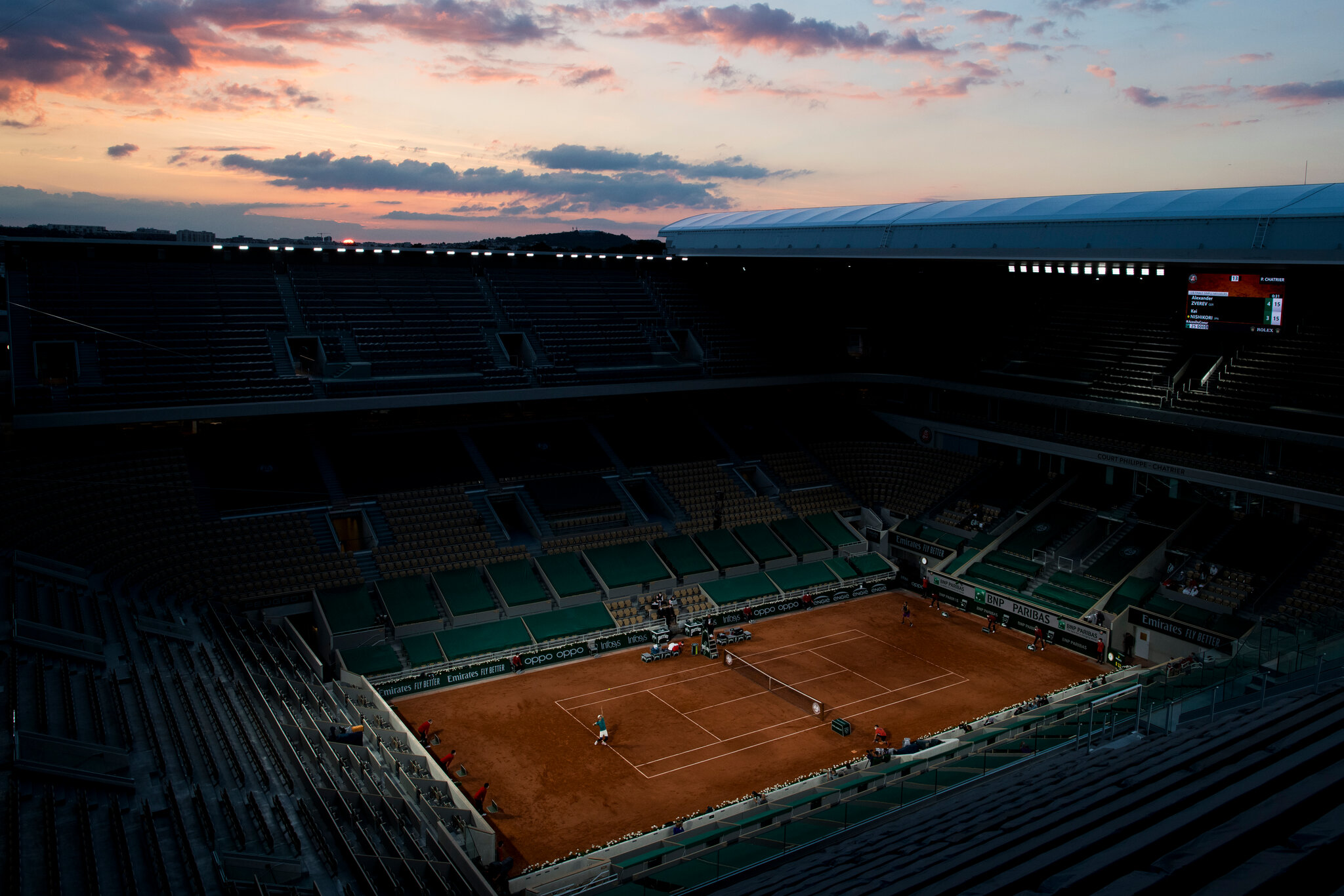
Roland Garros concluded its 2026 edition with victories for Alexander Zverev in the men’s draw and Mirra Andreeva in the women’s draw, both claiming their first Grand Slam titles in Paris.
Each champion will leave Paris with €2.8 million in prize money, marking the highest winners’ payout in the tournament’s history and an increase of €300,000 compared to the previous edition. Zverev defeated Flavio Cobolli in the final, while Andreeva overcame Maja Chwalinska to secure her breakthrough title.
The total prize pool at Roland Garros reached €61.7 million this year, a 9.5% increase year-on-year. Organisers highlighted improved payouts in early rounds, with every main draw player guaranteed at least €87,000 for participation.
However, the tournament was overshadowed by growing tension over prize money distribution in tennis. Despite revenue increases of around 14%, only 14% of Roland Garros’ total revenue is reportedly distributed to players, significantly lower than the estimated 22% share seen in ATP and WTA events.
Several top players have called for a larger share of tournament revenues, suggesting that athletes should receive between 30% and 50% of total earnings. World No. 1 Aryna Sabalenka even raised the possibility of a boycott if financial concerns are not addressed.
Attention now turns to the remaining Grand Slam events of the season, Wimbledon Championships and US Open, which have yet to announce their 2026 prize money structures.
While champions continue to collect record-breaking checks, the broader debate in tennis is shifting toward sustainability, with many players stressing that the biggest issue is not elite earnings, but the financial viability of players ranked outside the top 150.