
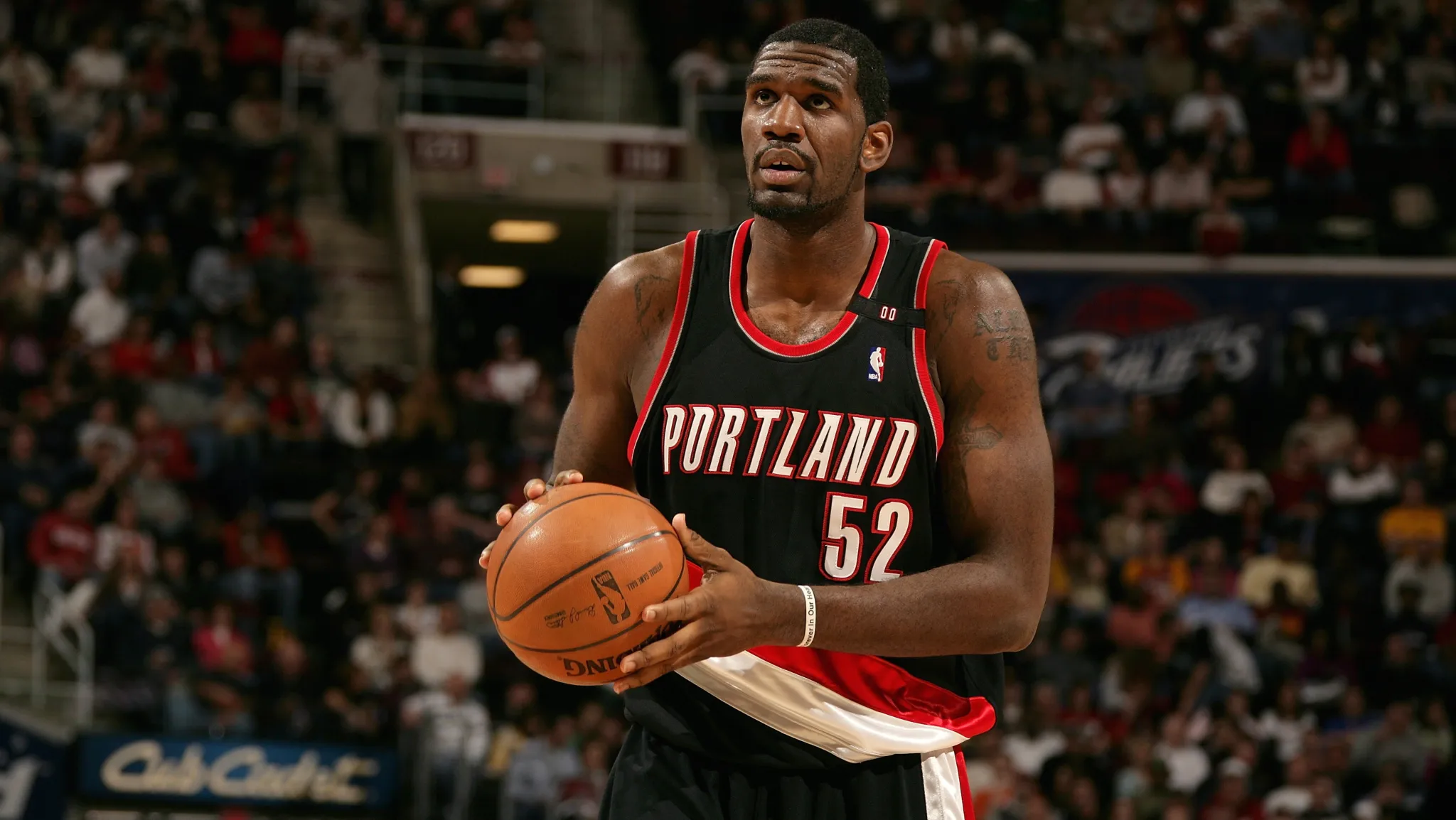
The trading card market for former No. 1 NBA Draft picks has taken an unusual turn this season, with one of the most surprising names leading the conversation: Greg Oden.
A 2008–09 Topps Chrome Superfractor one-of-one card of Oden sold for $7,626 at Goldin Auctions last week, setting a new record for any of his cards. The same card was worth just $96 in 2019.
A player whose career never matched expectations
Drafted first overall in 2007 by the Portland Trail Blazers, Oden was once projected as a franchise cornerstone. Instead, injuries limited him to just 114 NBA games across his career.
He averaged 8.0 points and 6.2 rebounds, and was ultimately overshadowed by the player taken second in that same draft: Kevin Durant, who became one of the defining stars of his generation.
Why his cards are suddenly rising
The surge is not tied to nostalgia alone. Five of Oden’s six highest-ever card sales have come since late 2025, suggesting a broader trend in the hobby rather than a one-off spike.
Collectors point to several factors:
- Ultra-rare Superfractor scarcity (one-of-one cards)
- Strong demand for the 2008–09 Topps Chrome set, now viewed as a modern “blue chip†release
- A wider speculative wave in sports cards during playoff seasons
In short: value is being driven less by career legacy and more by rarity and set demand.
A market that behaves differently from legacy
Oden’s $7,626 sale still sits far below elite modern NBA card prices—LeBron James has crossed $10 million, while Durant’s record card reached $780,000.
But what makes Oden notable is not the absolute number—it’s the direction of movement. His market, long considered dormant, is suddenly active again.
A broader pattern across the hobby
The same dynamic has appeared elsewhere in the trading card world: overlooked or underperforming players seeing spikes because of set prestige or scarcity rather than on-court achievement.
Oden now sits near the bottom of the list of No. 1 picks by card value—but he’s also one of the fastest risers in percentage terms over the past year.
What it really signals
This isn’t a comeback story for a player. It’s a reminder of how the modern sports card economy actually works:
rarity, design reputation, and collector psychology often outweigh performance history.
And in that system, even a career defined by injuries can suddenly find unexpected demand.