
Saudi Arabia’s football project is moving into a new chapter. After selling a 70% stake in Al-Hilal, the Public Investment Fund (PIF) is now reportedly preparing to put Al-Ittihad on the market as part of a broader restructuring of the kingdom’s football economy.
According to local reports, discussions with the Saudi Ministry of Sport accelerated the process in recent weeks. The objective goes beyond a simple ownership change: Saudi Arabia is attempting to transition its football industry from a state-backed model toward one increasingly driven by private investment.
Over the past two years, the Saudi Pro League built global visibility through blockbuster signings such as Cristiano Ronaldo, Karim Benzema and Neymar. But after the first wave of aggressive spending, the focus now appears to be shifting toward financial sustainability and long-term asset management.
PIF’s plan to offload Al-Ittihad would represent another major step in that direction. Reports also suggest that federation elections could be temporarily suspended to speed up legal and administrative procedures linked to the transaction.
No valuation or timeline has yet been disclosed, but the move follows the precedent set by Al-Hilal, whose majority stake was transferred to Kingdom Holding Company earlier this year.Rather than fully exiting football, PIF appears to be redefining its role. The fund is expected to retain control of selected flagship clubs while opening others to strategic investors capable of injecting fresh capital into the league ecosystem.
At this stage, Al-Nassr — home to Cristiano Ronaldo — and Al-Ahli are reportedly set to remain under PIF ownership.
The strategy reflects a broader ambition: transforming Saudi football from a government-funded showcase into a commercially sustainable sports industry capable of attracting institutional investors.
The potential sale of Al-Ittihad could become one of the clearest indicators yet that Saudi football is evolving beyond its initial “star recruitment” phase.
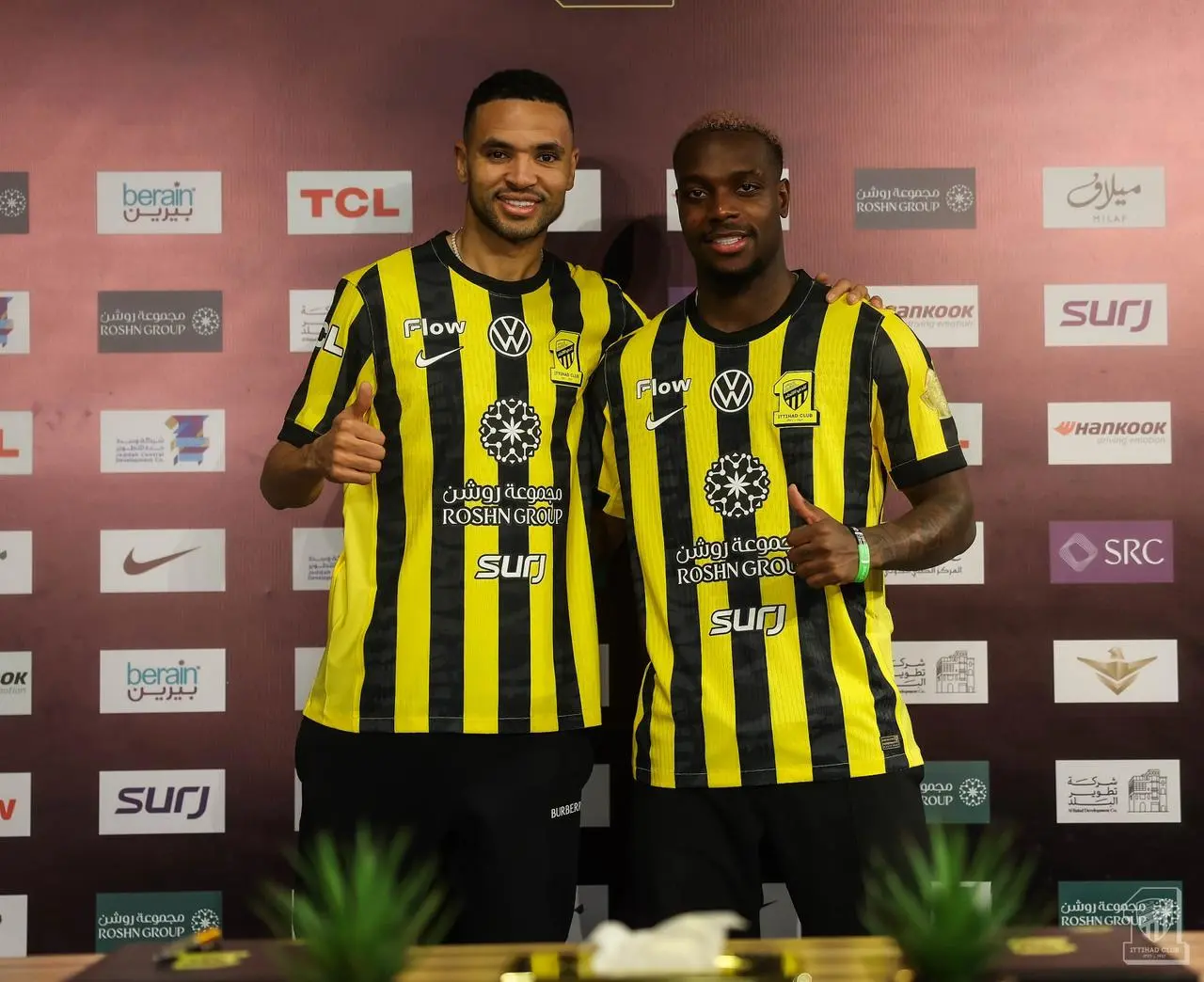
With high-profile players such as Karim Benzema, N’Golo Kanté and Fabinho already on its books, Al-Ittihad has become one of the league’s most visible global brands. Opening the club to private ownership would signal that Saudi Arabia is now prioritizing club valuation growth, investment structures and long-term commercial expansion alongside sporting ambition.
In many ways, the kingdom’s football project is beginning to resemble the multi-club and private equity models that reshaped European football over the past decade — only on a Saudi scale.