
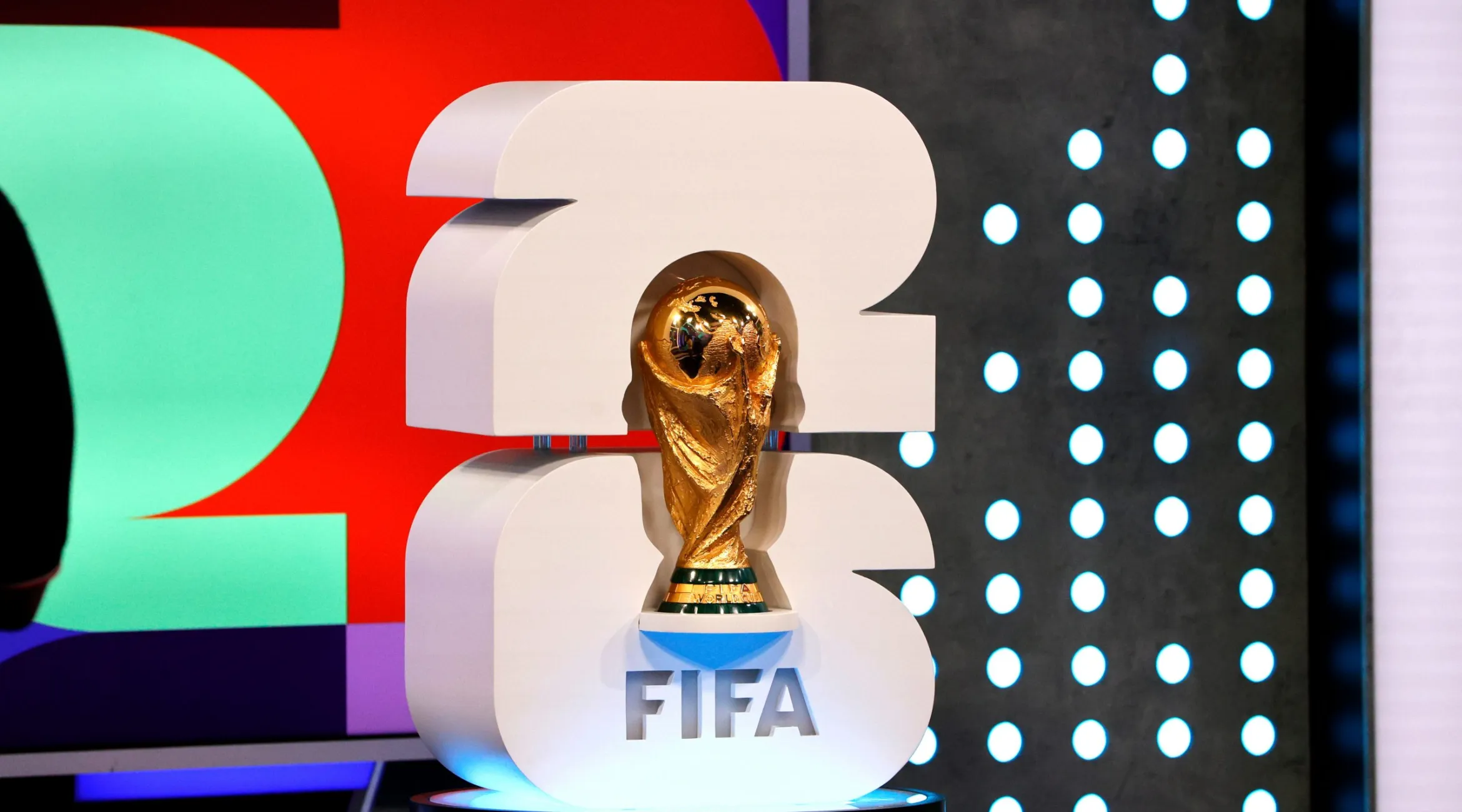
The 2026 World Cup in North America is set to be the most digitally consumed sporting event in history, with AI-driven advertising technology leveling the playing field for challenger brands.
Sportradar’s Nikolaus Beier highlights that while top-tier FIFA partners like Coca-Cola and Qatar Airways will dominate traditional spaces, technological innovations now allow smaller brands to make a massive impact with modest budgets. By using real-time data and AI, brands can launch automated campaigns that react to live scores and pitch action almost instantly.
Key Marketing Shifts for 2026:
- The “48-Hour” Rule: Research shows that fans expect brands to react to cultural and sporting moments within 48 hours; AI automation makes this speed achievable at scale.
- Omnichannel Reach: New adtech allows for targeted messaging across display, video, audio, and digital out-of-home (DOOH) platforms, tracking half a billion devices monthly to measure intent.
- The Rise of “Player-First” Marketing: Following the viral success of the Messi-Ronaldo chess campaign in 2022, brands are shifting focus toward individual superstars to connect with younger, socially-native audiences.
- Proven ROI: Case studies from Euro 2024 show that using programmatic AI can lead to a 197% increase in registrations while maintaining a cost-per-acquisition rate 93% lower than competitors.
Strategic Advice for Brands
Beier emphasizes that the 2026 tournament, featuring 48 teams and over 100 games, requires both early planning and extreme flexibility. “You need to build flexibility into your messaging if, for example, a chosen team exits the tournament early,” Beier warns, noting that AI will be vital in rising above the “marketing noise” of the world’s biggest entertainment market.