
With less than three months until the 2026 World Cup, Argentina’s national team finds itself in an unusual position—not on the pitch, but in how it is choosing to prepare. Instead of facing elite European opposition, the reigning world champions are lining up a pair of unexpected friendlies against Mauritania and Zambia, raising questions about both sporting intent and financial strategy.
The decision follows the cancellation of the anticipated Finalissima against Spain, a high-profile UEFA–CONMEBOL showdown that would have paired the European champions with Argentina, led by Lionel Messi, the reigning global icon of the sport. The fixture fell through amid logistical complications and geopolitical tensions, leaving the Argentine Football Association (AFA) to restructure its international calendar.
What has emerged in its place is a pattern that is increasingly difficult to ignore.
Over recent years, Argentina’s schedule has leaned heavily toward lower-ranked national teams and commercially viable destinations. Opponents such as Panama, Curaçao, and El Salvador have featured prominently, while recent tours—including matches in the United States and Angola—have been framed less as competitive tests and more as revenue-generating ventures.
According to reports cited by La Nación, the logic behind these selections is straightforward: minimize costs while maximizing returns. Friendlies against top-tier European nations come with significant logistical expenses and limited financial upside. By contrast, matches against less prominent teams, often hosted in commercially attractive markets, can deliver multi-million-dollar payouts to the federation.
This creates a clear tension between sporting preparation and economic strategy.
While Brazil continues to schedule high-intensity friendlies against teams like France and Croatia, Argentina appears to be prioritizing financial efficiency—an approach that may optimize short-term revenues but raises questions about competitive readiness ahead of a World Cup where margins are razor-thin.
Behind the scenes, the AFA’s approach reflects a broader shift in international football: national teams are no longer just sporting entities, but also revenue-generating assets. Tours, broadcast rights, and sponsorship agreements increasingly shape fixture planning, sometimes at the expense of competitive balance.
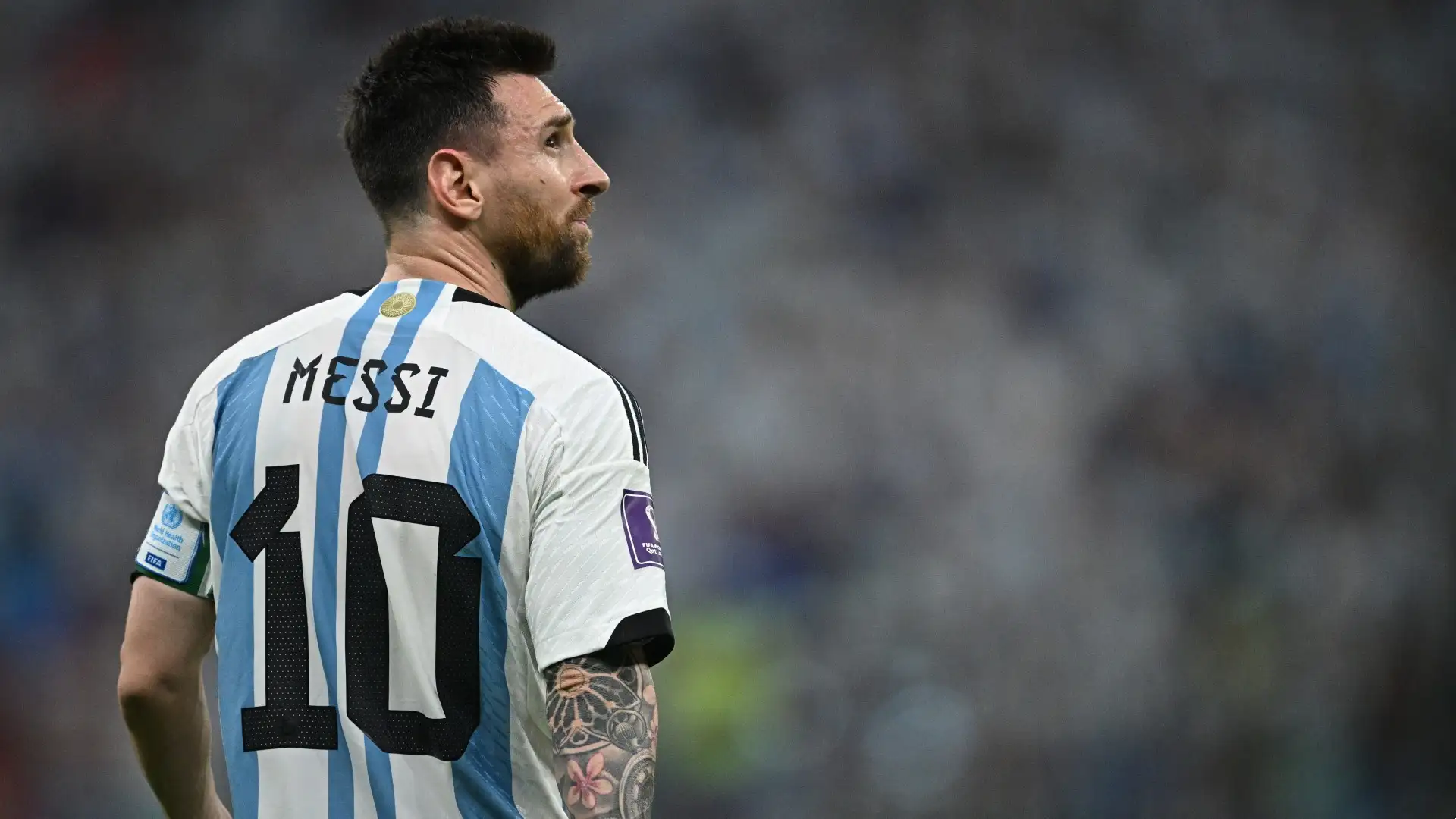
For a team built around a generational talent like Messi, the concern is clear. Facing lower-tier opposition may boost the balance sheet, but it offers limited preparation for the tactical and physical demands of elite tournament football.
As the World Cup approaches, Argentina’s path to defending its title may be shaped not only by what happens on the pitch—but by the economic decisions made long before kickoff.