
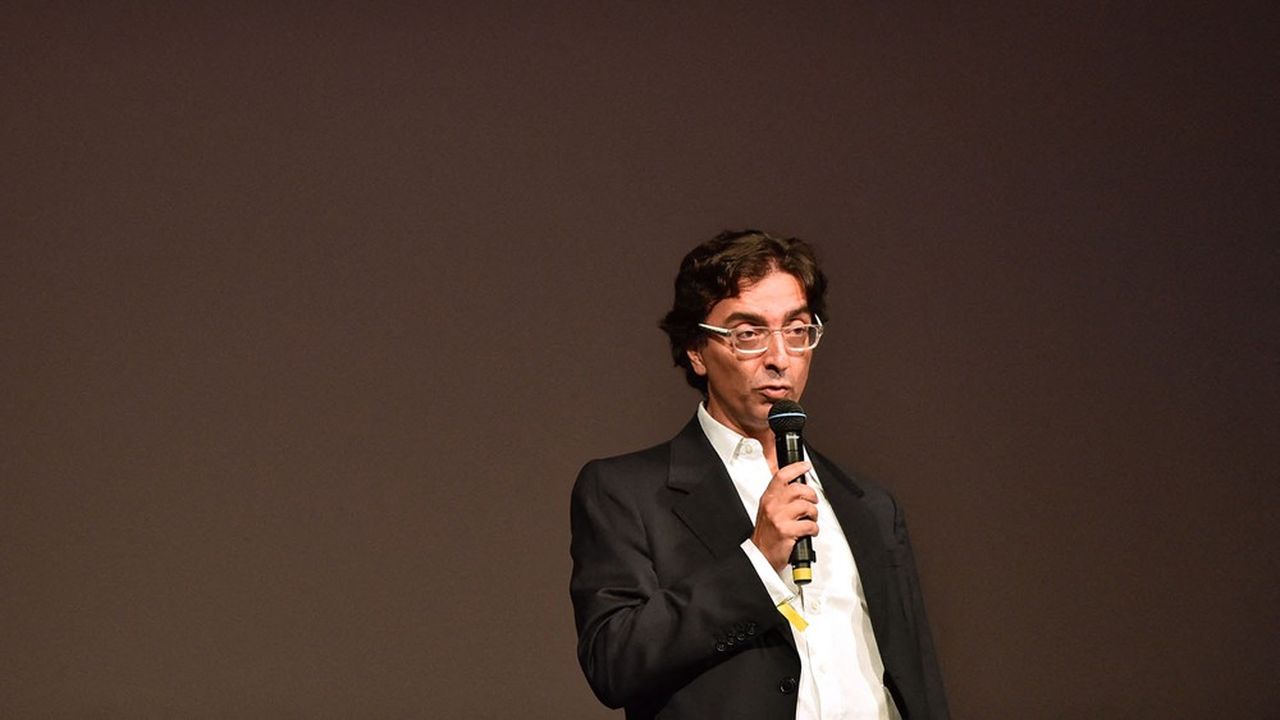
LFP Media, the commercial arm responsible for managing the media and broadcast rights of French top-flight football, has appointed Olivier Bramly as its new chief executive officer in an attempt to stabilize and rebuild its struggling media strategy.
Bramly, who most recently served as CEO for media and entertainment at e& (Emirates Telecommunications Group)’s Evision division, steps into the role following a period of significant instability within the organization, including leadership departures earlier this year.
His appointment comes after a turbulent period for LFP Media, which oversees the commercial rights of Ligue 1. The organization has faced years of declining domestic media rights values, legal disputes with broadcasters, and ongoing challenges in securing long-term stable distribution deals.
Before joining Evision in 2021, Bramly held senior positions at Fox Networks Group and spent 15 years at Eurosport, giving him extensive experience in sports media distribution and broadcast negotiations.
In his new role, Bramly’s primary focus will be expanding the reach and subscriber base of Ligue 1+, the league’s direct-to-consumer streaming platform that offers live coverage of all domestic matches. The service, launched in 2025, has become central to the league’s strategy after its separation from traditional broadcast partnerships.
LFP Media’s domestic rights structure has undergone major disruption in recent years, with disputes involving major broadcasters such as beIN Sports, Canal+, and DAZN. These tensions have further complicated efforts to rebuild the league’s media value in France.
The Ligue 1+ platform initially launched at €14.99 per month, later adjusted to €19.99 for annual subscriptions, as the league attempts to increase revenue following the loss of traditional broadcast income streams.
Despite early signs of subscriber interest, analysts suggest the platform will need sustained growth in the 2026–27 cycle to offset declining television revenues and stabilize Ligue 1’s commercial ecosystem.
Bramly’s arrival is therefore seen as a strategic move aimed at restoring confidence, improving distribution, and rebuilding the league’s fractured relationship with broadcasters while strengthening its direct-to-consumer model.