
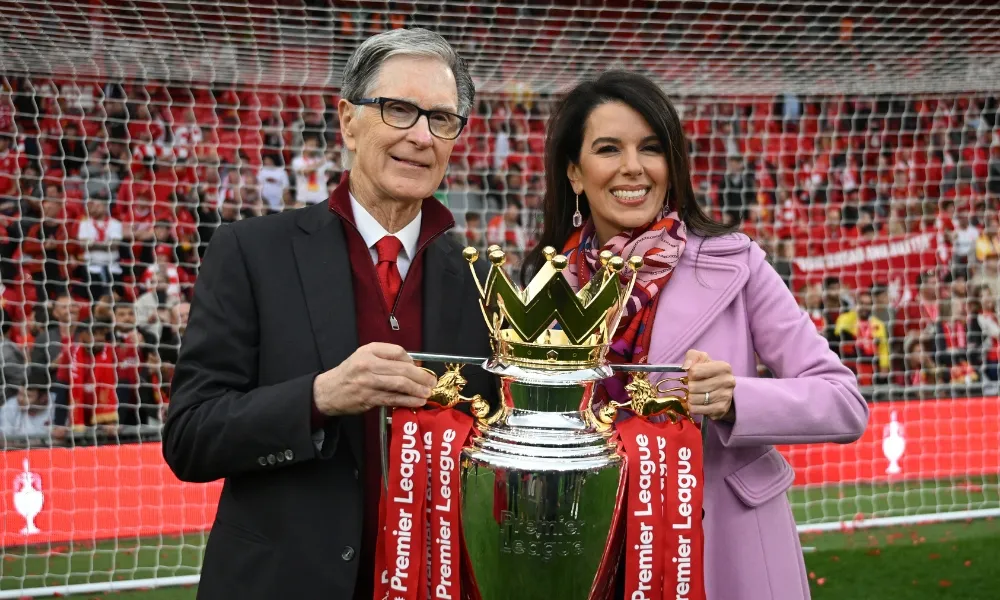
Fenway Sports Group (FSG), the U.S.-based ownership group behind Liverpool FC, has decided to shelve its plans to expand into multi-club ownership, ending a strategy that had been in development since 2024.
According to reports from The Athletic, FSG conducted an in-depth evaluation of approximately 25 clubs across Europe, with a particular focus on markets such as Spain, Portugal, and France. Among the clubs assessed were FC Girondins de Bordeaux, Málaga CF, and Getafe CF. The group also explored the possibility of acquiring a minority stake in AS Monaco in early 2025.
However, despite these evaluations, FSG ultimately decided not to proceed with any acquisitions. Sources indicate that the multi-club ownership (MCO) initiative has now been officially dropped, with no immediate plans to revisit it.
Strategic Shift Under Michael Edwards
The multi-club ownership plan had been closely linked to the return of Michael Edwards as FSG’s CEO of football. The strategy was seen as a key pillar in strengthening FSG’s global football operations and gaining a competitive edge.
In internal communications, FSG leadership previously emphasized that acquiring another club would be an important step in expanding its sporting model. Edwards himself cited the MCO strategy as one of the main reasons for rejoining the organization.
Why the Plans Were Dropped
Industry analysts suggest several reasons behind FSG’s decision to step away from multi-club ownership:
- Risk Aversion: FSG may be cautious about financial exposure and long-term commitments in a volatile football market.
- Timing Challenges: The club acquisition process requires precise timing, which may not align with FSG’s decision-making pace.
- Declining MCO Momentum: High-profile issues involving other ownership groups have reduced confidence in the MCO model.
- Lack of Clear Strategy: FSG has not publicly clarified whether its goal was player development, global expansion, or investment diversification.
FSG’s Broader Sports Portfolio
While FSG has stepped back from expanding its football network, it remains active across multiple sports. The group owns the MLB team Boston Red Sox, the NHL’s Pittsburgh Penguins, and also has interests in NASCAR and professional golf.
Additionally, FSG has agreed to acquire a stake in another NHL franchise pending approval, further demonstrating its continued commitment to sports investment outside of football expansion.
Conclusion
FSG’s decision to abandon its multi-club ownership ambitions marks a notable shift in strategy for one of football’s most influential ownership groups. Despite extensive research and high-level interest in expanding its football footprint, the group has opted to maintain its current structure—at least for now.