
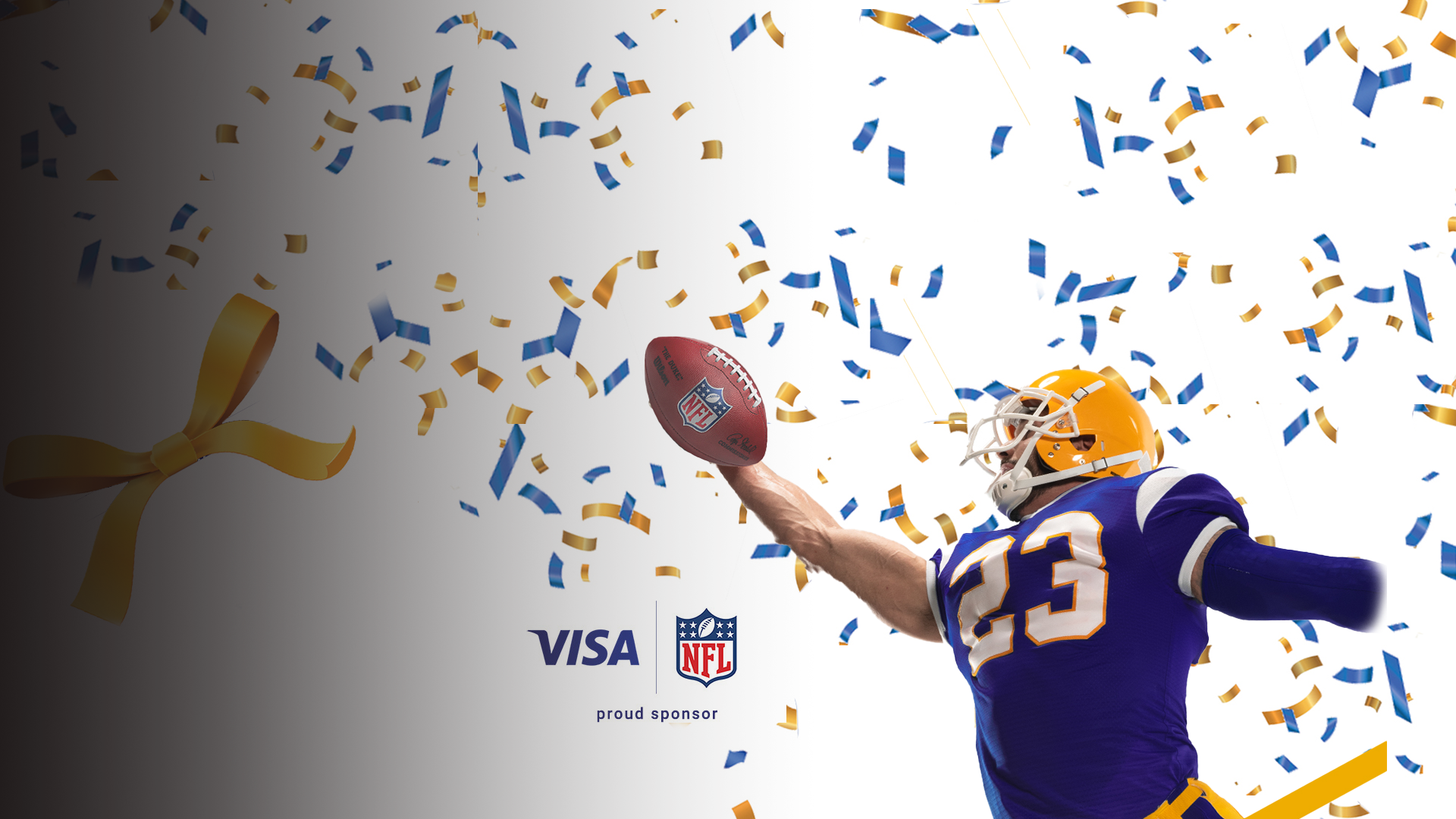
The NFL is preparing to close one of the longest-running sponsorship partnerships in modern sports.
On April 1, American Express will officially become the league’s new financial services sponsor, ending Visa’s three-decade relationship with the NFL—a partnership widely regarded as one of the most successful brand alignments in sports marketing.
Inside the NFL’s Park Avenue headquarters, the transition will be more symbolic than operational. After 30 years, Visa’s era as the league’s official payment partner is coming to an end.
In the current sponsorship landscape—where deals often last three to five years—the longevity of the NFL-Visa relationship stands out.
A partnership born in a Super Bowl locker room
According to former Visa sponsorship chief Michael Lynch, the deal’s origin story reads like sports folklore.
It began in 1995 when then-Visa CEO Carl Pascarella met NFL commissioner Paul Tagliabue in the locker room of the San Francisco 49ers after their victory in Super Bowl XXIX.
From that chance encounter came a partnership that would last three decades.
“It was largely about relationships,†Lynch recalled. “We quickly understood each other’s marketing strategies. Both sides were category leaders and wanted to align with the best.â€
The initial deal reportedly started at around $5 million per year, with negotiations including additional Super Bowl and San Francisco 49ers tickets to finalize the agreement.
Delivering unmatched ROI
Former Visa marketing executive Matt Kauffman says the NFL consistently justified the investment.
“The simple reason the deal lasted so long is that the NFL delivered,†Kauffman said. “The media numbers were always the best in sports and consumer awareness of the sponsorship was extremely high.â€
Visa also benefited from the league’s massive reach. Hundreds of issuing banks used NFL marketing rights each year to activate promotions tied to Visa cards.
For a global payments company, few platforms could match the NFL’s visibility.
Marketing moments that defined an era
Over the years, the partnership produced some of the most memorable sports advertising campaigns.
Among the most iconic:
- A commercial starring Terry Bradshaw and Dick Butkus at the Pro Football Hall of Fame
- Ads featuring Tom Brady and his offensive line
- A promotion offering “Super Bowl tickets for lifeâ€
One of the earliest campaigns was filmed in Green Bay, where neighbors bid farewell to friends moving away—only to celebrate afterward at the possibility of securing more Green Bay Packers tickets.
Behind the scenes, the creative partnership with advertising agency BBDO lasted two decades—another rarity in modern sports marketing.
Former BBDO creative director Jimmy Siegel remembers a time when the relationship relied heavily on trust.
“I’d call Visa’s marketing team, pitch an idea over the phone, and they’d say, ‘Great—go make it,’†Siegel said. “There was a different level of trust back then.â€
Why the partnership lasted 30 years
Industry executives point to several reasons the deal endured:
- Consistent ROI for Visa
- The NFL’s unmatched TV audience
- Strong personal relationships between executives
- A flexible marketing strategy that allowed ongoing creative campaigns
As former NFL partnerships executive Gary Jacobus put it: “Visa became the poster child for sponsorship activation.â€
A changing sponsorship landscape
The end of the Visa era highlights how much the sports marketing industry has evolved.
Thirty-year deals are now virtually unheard of. Brands rotate faster, marketing budgets shift more frequently, and leagues often pursue new financial partners offering larger global platforms.
Now, American Express steps into the role, hoping to replicate—or perhaps surpass—the impact Visa built over three decades.
Replacing a sponsorship that defined an era, however, will not be easy.