
Training wear sponsorships have quietly evolved from secondary commercial assets into one of football’s fastest-growing revenue categories, as social media transforms training grounds into always-on broadcast studios for clubs and brands alike.
According to SPORTFIVE data, global sponsorship revenue tied to training apparel in club football surged from $18 million in 2021 to $278 million in 2025 — a 15-fold increase in just four years.
What was once bundled into broader partnership agreements is now being sold as premium standalone inventory, competing directly with front-of-shirt and sleeve sponsorship rights.
The shift reflects a broader change in fan behavior. Traditional 90-minute broadcasts are no longer the primary touchpoint between clubs and supporters. Instead, platforms such as Instagram, TikTok and YouTube now dominate daily engagement.
Training sessions, behind-the-scenes footage, recovery clips, transfer-day content and player-access videos generate millions of views throughout the week, giving training kit sponsors continuous visibility far beyond matchdays.
Unlike traditional sponsorship categories, training wear exposure is largely independent of broadcasting schedules or sporting performance. Clubs fully control the production and distribution of training content, effectively controlling sponsor visibility at the same time.
SPORTFIVE estimates that roughly half of the advertising value generated by training wear sponsorship comes from social media alone, while traditional television exposure represents only a marginal share.
Fan perception is also strengthening the category’s commercial appeal.
According to SPORTFIVE research, 69% of fans describe training wear sponsors as “authentic,” 67% see them as “close to the club,” and 68% rate them at a similar prestige level to shirt-front or sleeve sponsors.
That perception shift is helping training wear evolve from supplementary inventory into a premium sponsorship asset in its own right.
Serie A currently leads Europe in monetizing training apparel sponsorships. Most Italian clubs have commercialized separate training assets, while nearly two-thirds have sold chest branding independently from their main shirt sponsor.
The Premier League ranks second, followed by La Liga.
Meanwhile, the Bundesliga remains relatively underdeveloped in the category. Only 22% of Bundesliga clubs reportedly use separate training sponsors.
That may be changing. In 2025, Borussia Dortmund expanded its partnership with REWE Group to include training kits across the first team, reserve side and academy structure.
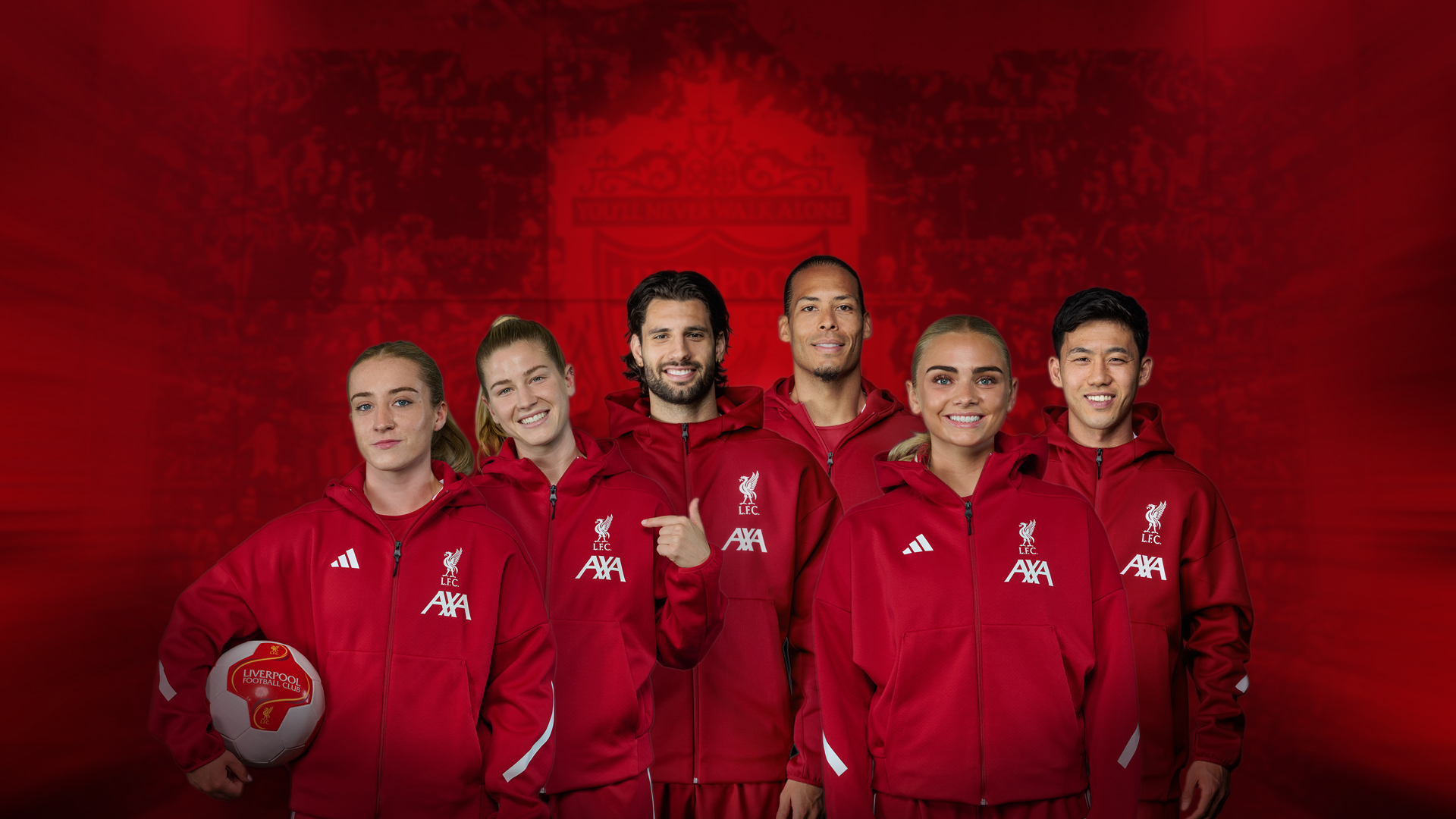
One of the strongest examples of the category’s commercial potential remains the partnership between Liverpool FC and AXA.
Originally launched as a training kit deal in 2019, the agreement expanded into naming rights for the club’s Kirkby facility, now known as the AXA Training Centre.
The arrangement creates a 360-degree visibility ecosystem: the AXA logo appears on apparel, training-ground footage and the facility itself, generating constant exposure across Liverpool’s daily content output.
Another notable example is the partnership between Manchester City and OKX.
The cryptocurrency platform initially entered through a training kit sponsorship before later upgrading to sleeve sponsorship in a multi-year agreement reportedly worth $70 million.
The progression highlights a growing commercial trend in football sponsorship: brands increasingly use training wear as a lower-risk entry point before moving into more expensive matchday inventory.
The Premier League’s upcoming ban on front-of-shirt gambling sponsorships from the 2026/27 season is also reshaping the market.
While betting brands will no longer appear on shirt fronts, they can still invest in sleeves, training kits and stadium advertising.
As clubs search for alternative revenue streams to replace premium betting deals, training wear sponsorship is emerging as one of the biggest beneficiaries of the regulatory shift.
In football’s new media economy, where scrolling has replaced scheduled broadcasts, the training ground is becoming some of the most valuable commercial real estate in sport.