
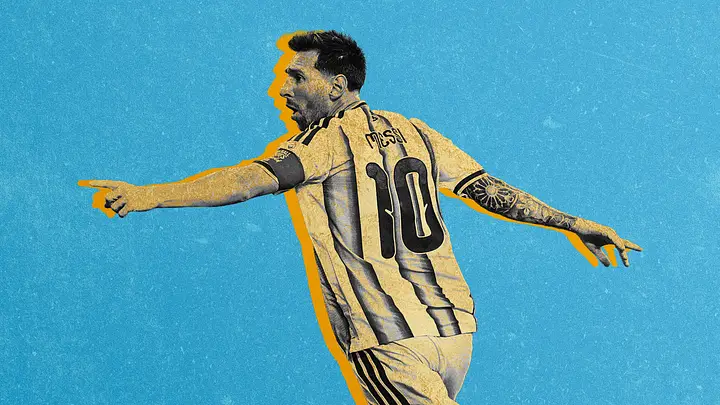
Analysis from creative effectiveness platform System1 suggests that David Beckham and Lionel Messi were far less prominent in 2026 World Cup advertising than the online conversation around them might have suggested.
According to the data, Beckham appeared in 10% of global World Cup advertisements, while Messi featured in 8%.
Some commentators had questioned whether the repeated use of the two football icons risked promoting the players’ personal brands more than those of the advertisers. However, System1 found no negative impact on brand recognition. Ads featuring either Beckham or Messi achieved the same average Fluency Rating of 80% as ads featuring neither player.
Where celebrity involvement did make a difference was in long-term effectiveness. Ads featuring Beckham or Messi achieved an average 0.6-Star uplift compared with campaigns featuring neither footballer, suggesting that football icons can strengthen the long-term commercial potential of advertising during major sporting events.
System1’s Test Your Ad platform measures long-term brand-building potential using a Star Rating ranging from 1.0 to 5.9. The system evaluates viewers’ emotional responses, with stronger positive emotions linked to greater long-term commercial growth. Fluency, meanwhile, measures how accurately viewers identify the brand after watching an advertisement.
Andrew Tindall, Chief Growth Officer for Advertising at System1, said the perception that Beckham and Messi were “everywhere” during the World Cup was not supported by the data.
According to Tindall, the two footballers appeared in fewer than one in 10 World Cup ads, did not harm brand recognition and helped improve long-term effectiveness when used strategically.
However, he also argued that more brands should rely on their own distinctive assets during major sporting moments.
System1’s analysis found that around one in five World Cup advertisements still struggled with brand attribution, meaning viewers were not always able to identify which company was behind the campaign. The research suggests that this issue is less about the use of Beckham or Messi and more about how effectively brands build their own identity into their advertising.