
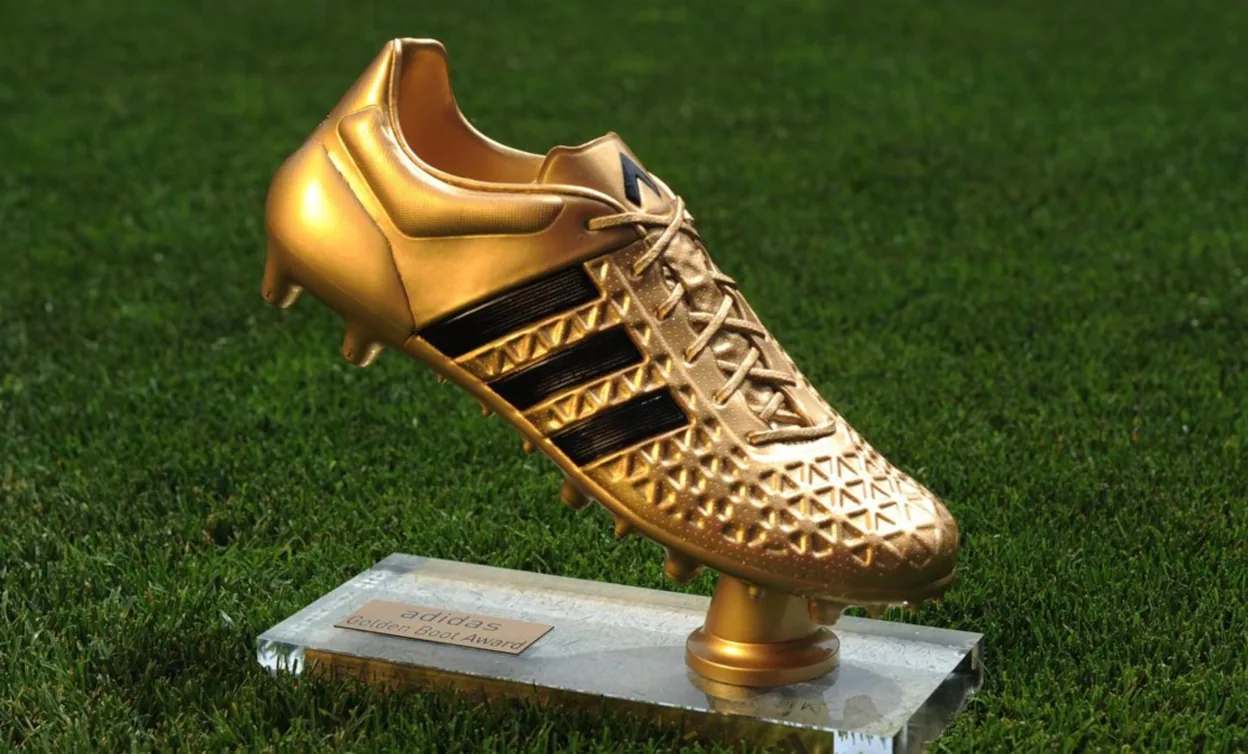
The race for the 2026 FIFA World Cup Golden Boot has evolved into more than a battle between the tournament’s top scorers. It has also become one of the biggest commercial showdowns between the world’s leading football boot brands.
With Lionel Messi and Kylian Mbappé level on eight goals, Erling Haaland on seven and Harry Kane on six, the competition is also highlighting the rivalry between Adidas, Nike and Skechers.
Four stars, three global brands
Each of the leading contenders represents a different commercial partnership.
- Lionel Messi has been an Adidas athlete since 2006 and signed a lifetime agreement with the German sportswear giant in 2017.
- Kylian Mbappé remains with Nike only after signing a one-month contract extension that keeps him in the brand’s boots until shortly after the World Cup final. Adidas and Under Armour are reportedly competing to sign the French superstar.
- Erling Haaland continues as one of Nike’s flagship football ambassadors under a long-term agreement signed in 2023.
- Harry Kane became Skechers’ first global football star after leaving Nike and helped launch the company’s SKX_01 football boots.
Expanded World Cup boosted scoring totals
The expansion of the World Cup from 32 to 48 teams has significantly changed the Golden Boot race.
The number of matches increased from 64 to 104, while finalists now play eight matches instead of seven. The tournament’s group stage averaged 2.99 goals per game, up from 2.5 at the 2022 World Cup and the highest group-stage average since 1958.
The expanded format has also produced more mismatches, allowing elite strikers to accumulate goals against debutant and lower-ranked nations.
Golden Boot delivers major commercial value
Winning the Golden Boot has historically translated into substantial commercial opportunities.
After claiming the award at the 2014 World Cup, James Rodríguez secured a move to Real Madrid and saw his annual endorsement income rise to around $7 million.
Following his Golden Boot triumph in 2018, Harry Kane’s commercial earnings continued to grow, with estimates placing his annual endorsement income at approximately $14.7 million by 2024.
Kylian Mbappé’s 2022 Golden Boot propelled him to third place on Forbes’ highest-paid athletes list, with annual endorsement earnings estimated between $25 million and $40 million through partnerships with Nike, Hublot, Dior, Oakley and EA Sports.
As a result, the 2026 World Cup Golden Boot is no longer simply an individual football award. It has become one of the tournament’s biggest marketing battlegrounds, where every goal carries commercial significance for the world’s leading sportswear brands.