
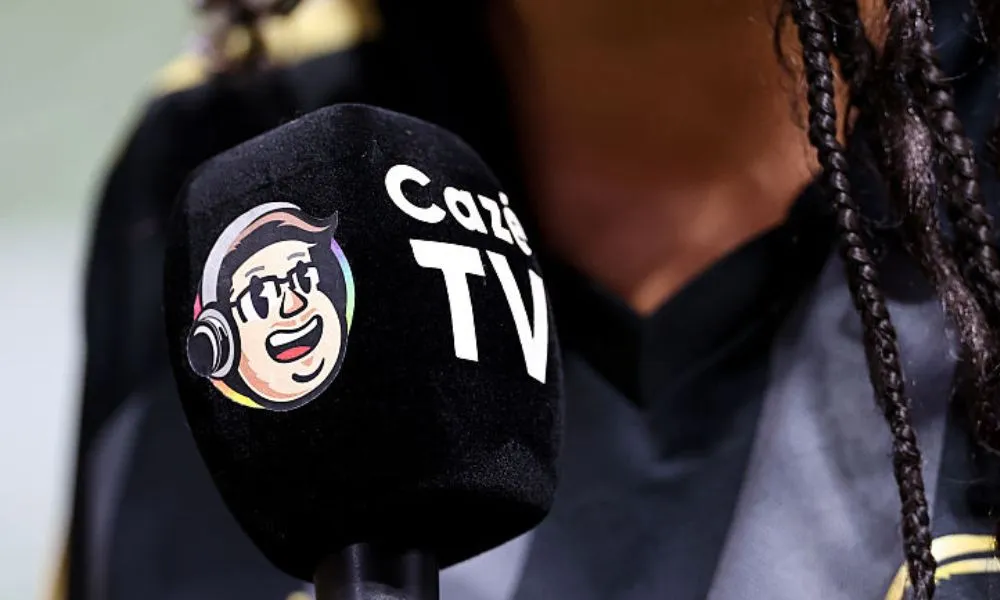
FIFA is reportedly taking a cautious stance toward CazéTV as discussions surrounding the Brazilian broadcast rights for the 2030 FIFA World Cup begin to take shape.
According to reports in Brazil, officials within world football’s governing body are uncomfortable with a structure in which the same corporate ecosystem is involved in acquiring, selling and ultimately broadcasting sports rights. The concerns could complicate negotiations for the next World Cup, which will be staged across Spain, Portugal and Morocco.
At the centre of the issue is LiveMode, the company behind CazéTV. LiveMode operates both as a buyer and distributor of sports media rights while also controlling the streaming platform that broadcasts the content. In addition, the company reportedly shares investors with Futebol Forte União (FFU), one of the major groups representing clubs within Brazilian football.
Members of FIFA are said to view the overlap between rights holder, rights buyer, rights seller and broadcaster as a clear conflict of interest.
Political dynamics add another layer to the debate
The matter extends beyond commercial considerations and into the broader political landscape of Brazilian football.
Earlier this year, the Brazilian Football Confederation (CBF) unveiled plans aimed at creating a unified national league structure from 2030 onward, bringing together clubs currently aligned with both FFU and Libra.
FFU represents clubs including Corinthians, Fluminense, Internacional and Vasco da Gama, alongside dozens of others. Libra, meanwhile, counts Flamengo, Palmeiras and São Paulo among its members.
As a result, the debate surrounding CazéTV has become intertwined with the wider struggle over the future governance of Brazilian football. FIFA, for its part, is widely expected to align with the interests of the CBF, one of its most influential member associations.
FIFA has yet to comment publicly on the matter. However, the reported concerns suggest that CazéTV could face a far more challenging path if it seeks to secure the Brazilian rights to the 2030 World Cup.