
There’s urgency—and then there’s legislative urgency with a deadline attached. In Illinois, the clock is ticking on both.
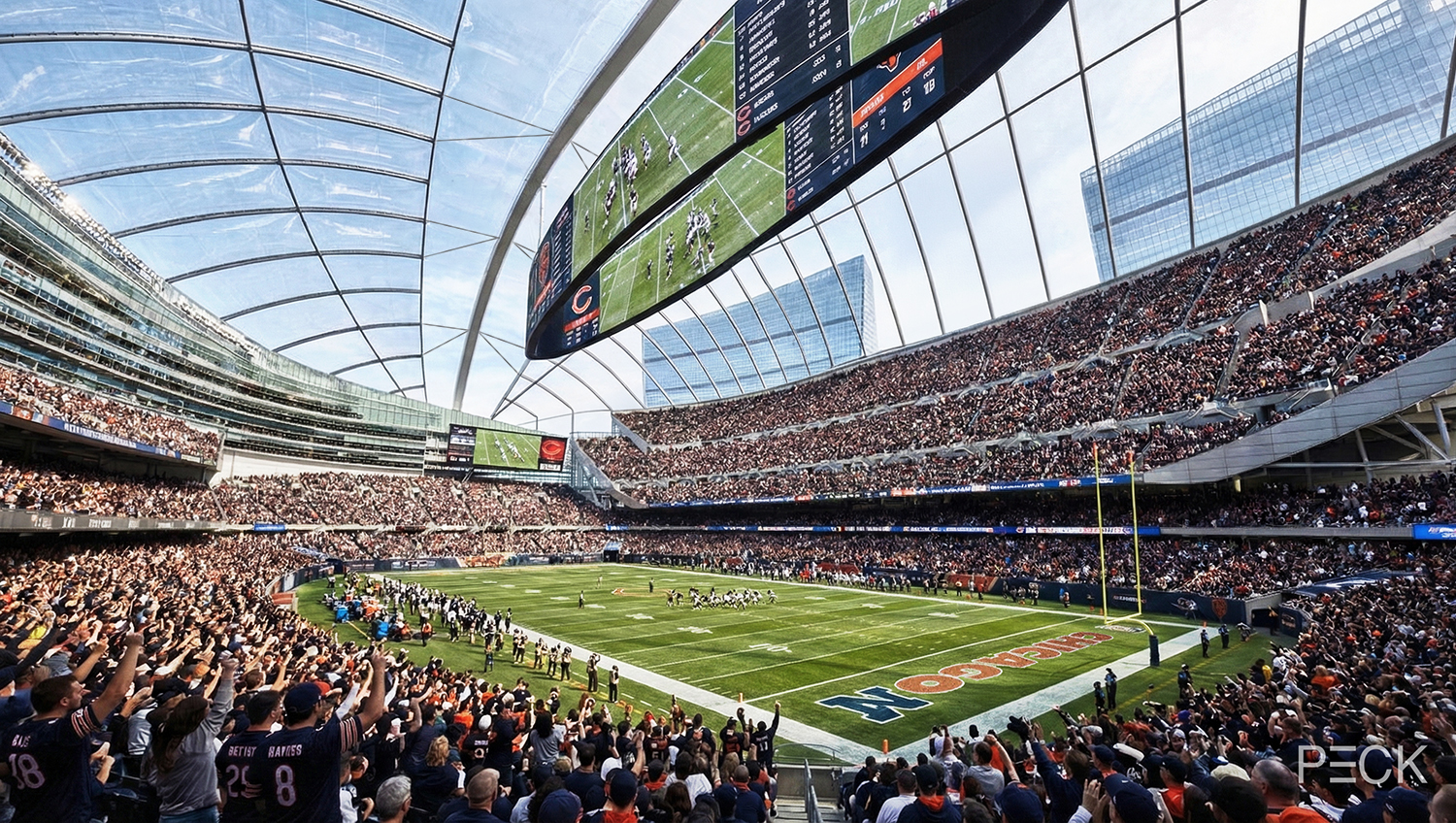
Lawmakers are accelerating efforts to pass a bill that could underpin a $5 billion domed stadium project for the Chicago Bears in Arlington Heights—a move increasingly framed as the state’s last, best chance to keep its flagship NFL franchise from looking elsewhere.
A bill reshaped under pressure
At the center of the push is State Representative Kam Buckner, who is working on an amendment to a long-discussed “megaprojects†bill. The twist: adding property-tax relief for homeowners.
That addition isn’t just policy—it’s politics. Stadium funding debates in the U.S. rarely hinge on economics alone. Public perception often decides the outcome, and tax relief is a way to rebalance a conversation that typically skews toward billionaire team owners and public subsidies.
The stakes: more than a stadium
For the Bears, this is about modernization. For Illinois, it’s about retention.
The franchise has been exploring alternatives to its historic home, Soldier Field, for years. A new domed venue in Arlington Heights would not only upgrade capacity and revenue streams, but unlock year-round event hosting—from Super Bowls to Final Fours.
Lose the team—or fail to secure its long-term future—and the economic and symbolic cost would be significant.
Familiar playbook, tighter timeline
Across the U.S., stadium deals have become increasingly complex:
- Rising construction costs
- Greater scrutiny on public funding
- Teams leveraging relocation as negotiating power
Illinois is now operating within that exact framework—but with less margin for delay.
What happens next
If lawmakers can align around Buckner’s revised bill, the project gains a viable public-private financing pathway. If not, the Bears’ leverage only increases.
Because in today’s sports economy, franchises don’t wait indefinitely. Markets compete, capital moves, and political windows close fast.
For Illinois, this isn’t just about building a stadium.
It’s about not losing one of its biggest assets.