
The 2026 FIFA World Cup has drawn attention not only for the action on the pitch, but also for the vast security infrastructure operating behind the scenes. Legal scholars and technology experts are now raising questions about what happens once the tournament is over.
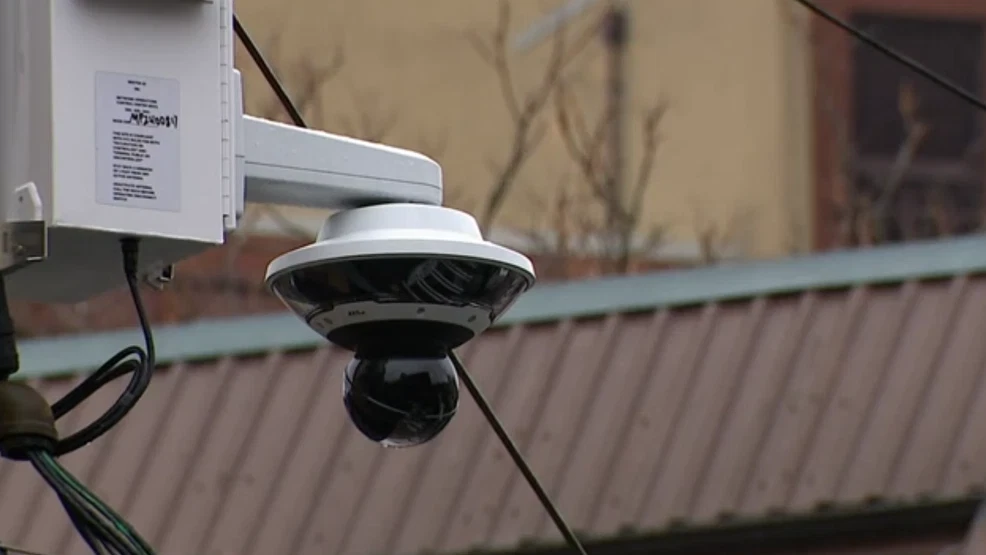
Across North America, advanced surveillance systems have been deployed to ensure the safety of millions of fans. These include extensive camera networks, facial recognition tools, drone detection systems, AI-powered monitoring platforms, license plate readers, and crowd analytics software.
While these technologies are widely seen as essential for managing a global sporting event of this scale, concerns are growing about their long-term implications.
Historical precedent suggests that “temporary” security measures introduced for major events often become permanent fixtures. After the 2002 Salt Lake City Winter Olympics and the 1996 Atlanta Olympics, many surveillance systems and security practices remained in place long after the events concluded. Similarly, post-9/11 security expansions have become deeply embedded in everyday life.
This pattern raises a series of legal and policy questions:
- Who owns the data collected during the World Cup?
- How long will it be retained?
- Can it be shared with federal, state, or private entities?
- Could it be used for purposes beyond tournament security?
- What rights do individuals have if incorrect data is stored or used?
Experts note that technology often advances faster than legislation, leaving regulatory frameworks struggling to keep up with rapidly evolving surveillance capabilities. Similar gaps have previously emerged with social media, GPS tracking, and biometric data systems.
The core issue, they argue, is not a simple choice between privacy and security. Instead, it is about ensuring that democratic oversight evolves alongside technological capability.
Key principles such as transparency, clear data retention limits, strict usage restrictions, and public accountability are increasingly seen as essential safeguards.
While fans remain focused on matches, results, and knockout-stage drama, legal professionals are looking further ahead.
Because when the final whistle blows and the tournament leaves town, the cameras will still be there—and so will the legal questions they leave behind.