
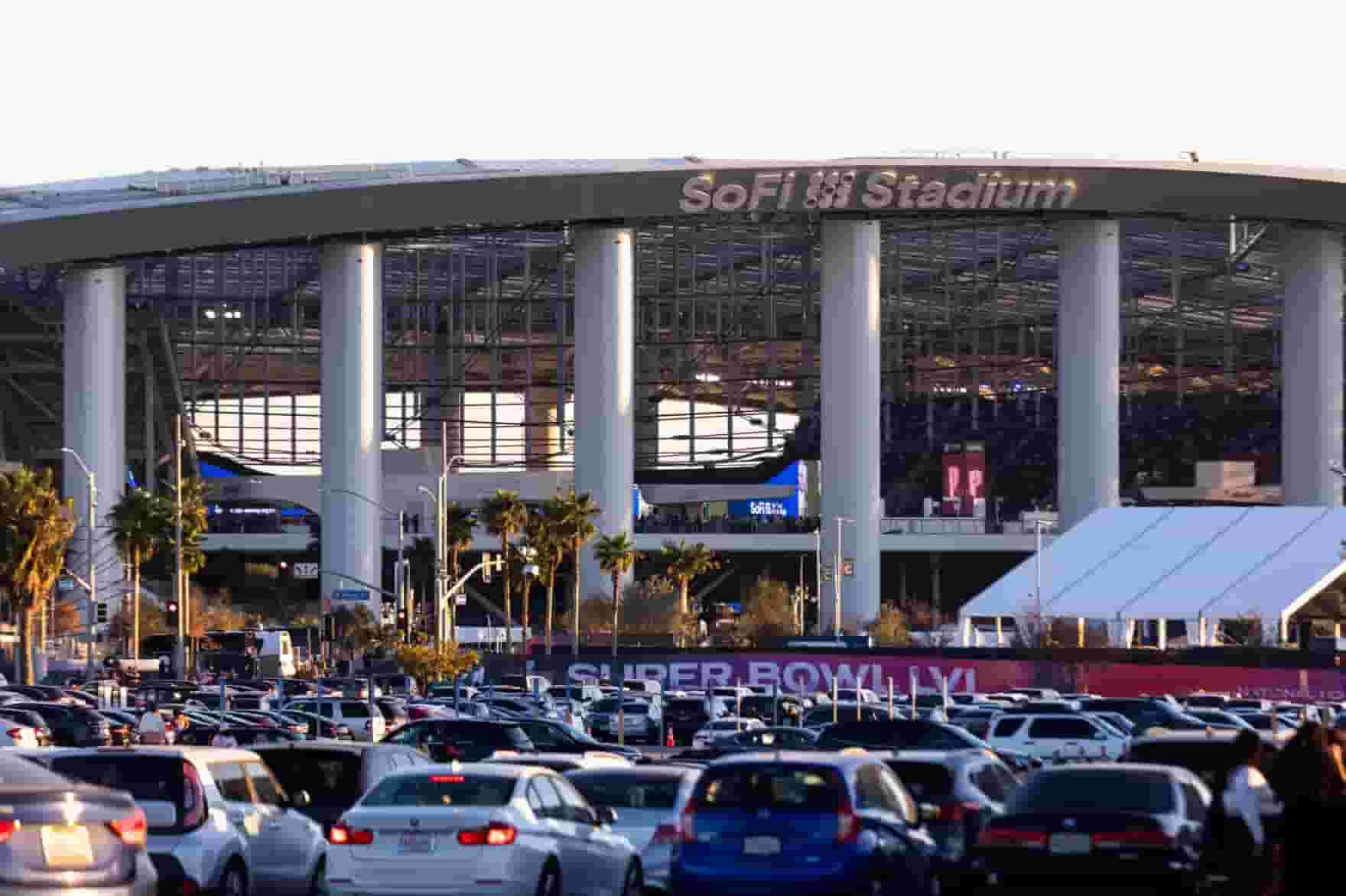
FIFA has implemented a drastic “variable pricing” strategy for the 2026 World Cup in the United States, driving average parking costs to $175 per match. After initially offering spots for $75 last fall, prices have skyrocketed, with some high-demand matches in Miami and Los Angeles reaching $250 to $300.
The move has sparked outrage among fans, particularly as parking fees for some group-stage games now exceed the price of a Category 3 match ticket.
1. The Price Explosion by City
FIFA’s official parking website, operated by JustPark, reveals a significant discrepancy in pricing across host cities based on “market conditions”:
- MetLife Stadium (New Jersey): Parking at the nearby American Dream mall is priced at $225 for group-stage matches.
- Hard Rock Stadium (Miami): Prices jumped from $75 in November to $175 in February, peaking at $250 for premium matchups like Colombia vs. Portugal.
- Quarterfinals: Costs rise even further during the knockout rounds, with the cheapest spots at Gillette Stadium and SoFi Stadium starting between $245 and $300.
- The “Budget” Options: Only Atlanta and Houston currently offer spots under $100, with prices set at $99.
2. ADA Parking Controversy
A major point of contention is the pricing for fans with disabilities. FIFA has priced ADA (Americans with Disabilities Act) parking passes the same as standard passes:
- SoFi Stadium (LA): ADA spots are listed at $250–$300.
- Accessibility Issues: While FIFA claims ADA parking is in “close proximity,” the official website shows locations ranging from 0.14 miles to nearly one mile away from stadium entrances.
- Comparison: While the NFL’s Super Bowl charged $120 for accessible parking, FIFA’s World Cup rates are significantly higher, doubling or tripling typical league standards.
3. Supply and Demand Strategy
A FIFA spokesperson defended the hikes, stating that “parking prices vary based on supply and demand,” consistent with major live event industries.
- Reduced Capacity: Many on-site stadium lots are being repurposed for hospitality, media, and FIFA activations, severely reducing available inventory.
- Inventory Control: FIFA has reportedly been negotiating with private landowners and local governments to gain control of additional lots, essentially expanding its commercial footprint beyond the stadium gates.